
Author: CMS Collaboration
-
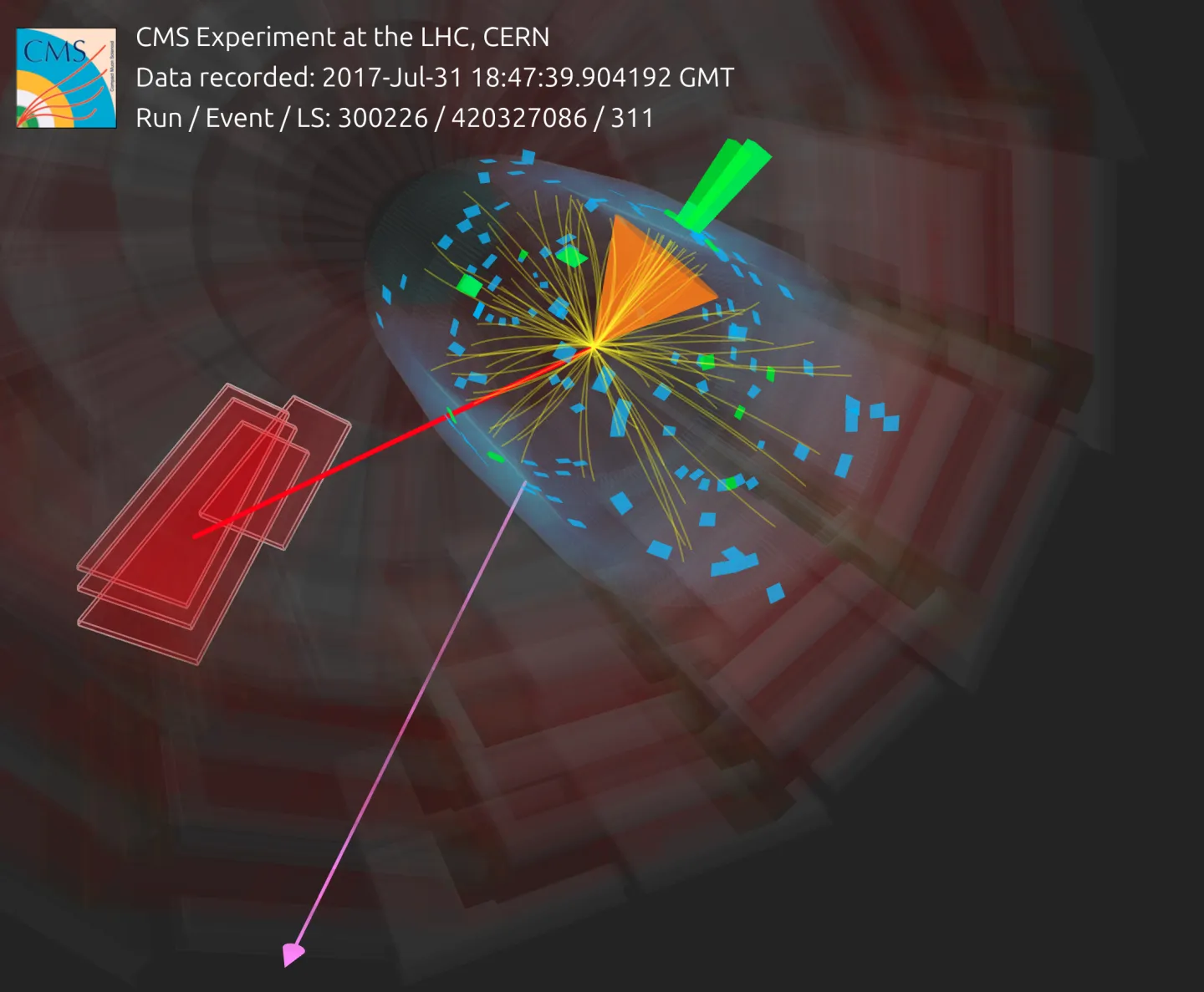
In search of unknown forces: Do W and Z boson pairs reveal new interactions?
CMS sets the world’s most stringent constraints on anomalous interactions between the bosons that carry the electroweak force.
-
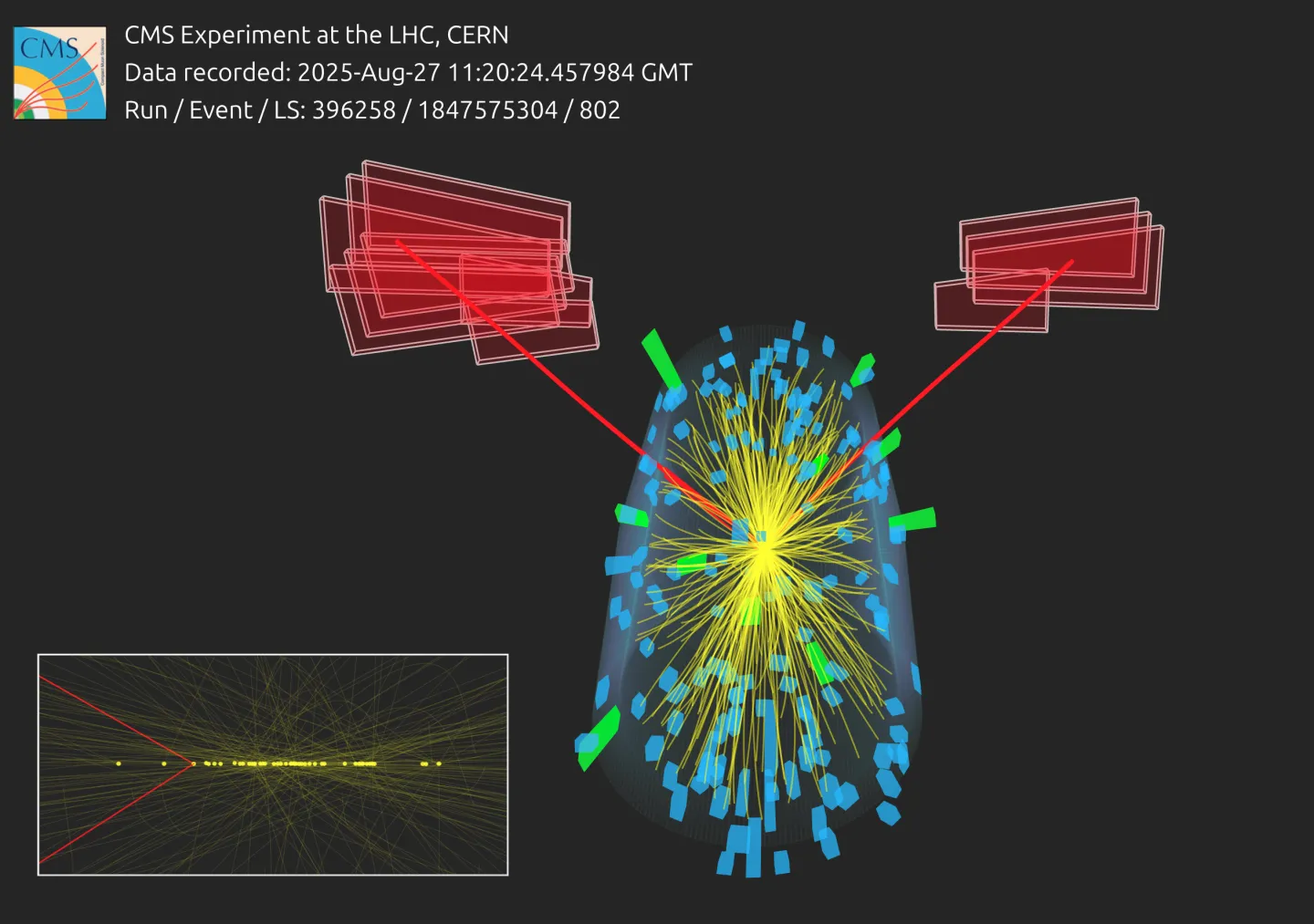
Lepton–lepton scattering in proton–proton collisions
The CMS experiment uses data collected between 2016 and 2026 to observe, for the first time, leptons (electrons and muons) emitted from protons scattering off one another.
-
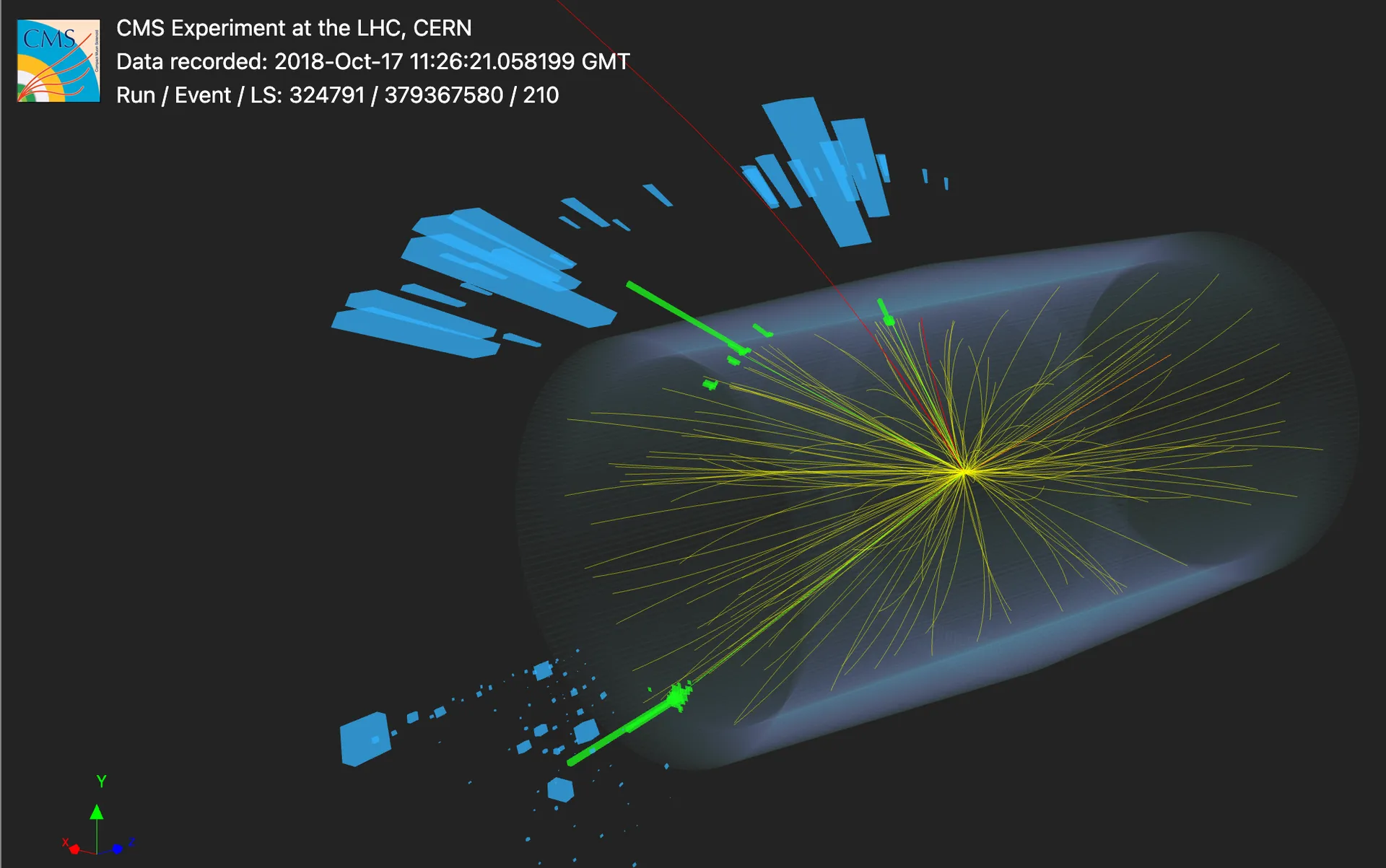
Hunting for a Hidden Side of the Higgs
A new boosted jet technique, powered by machine learning, gives CMS its most sensitive search for Higgs bosons breaking apart into never-before-seen particles.
-
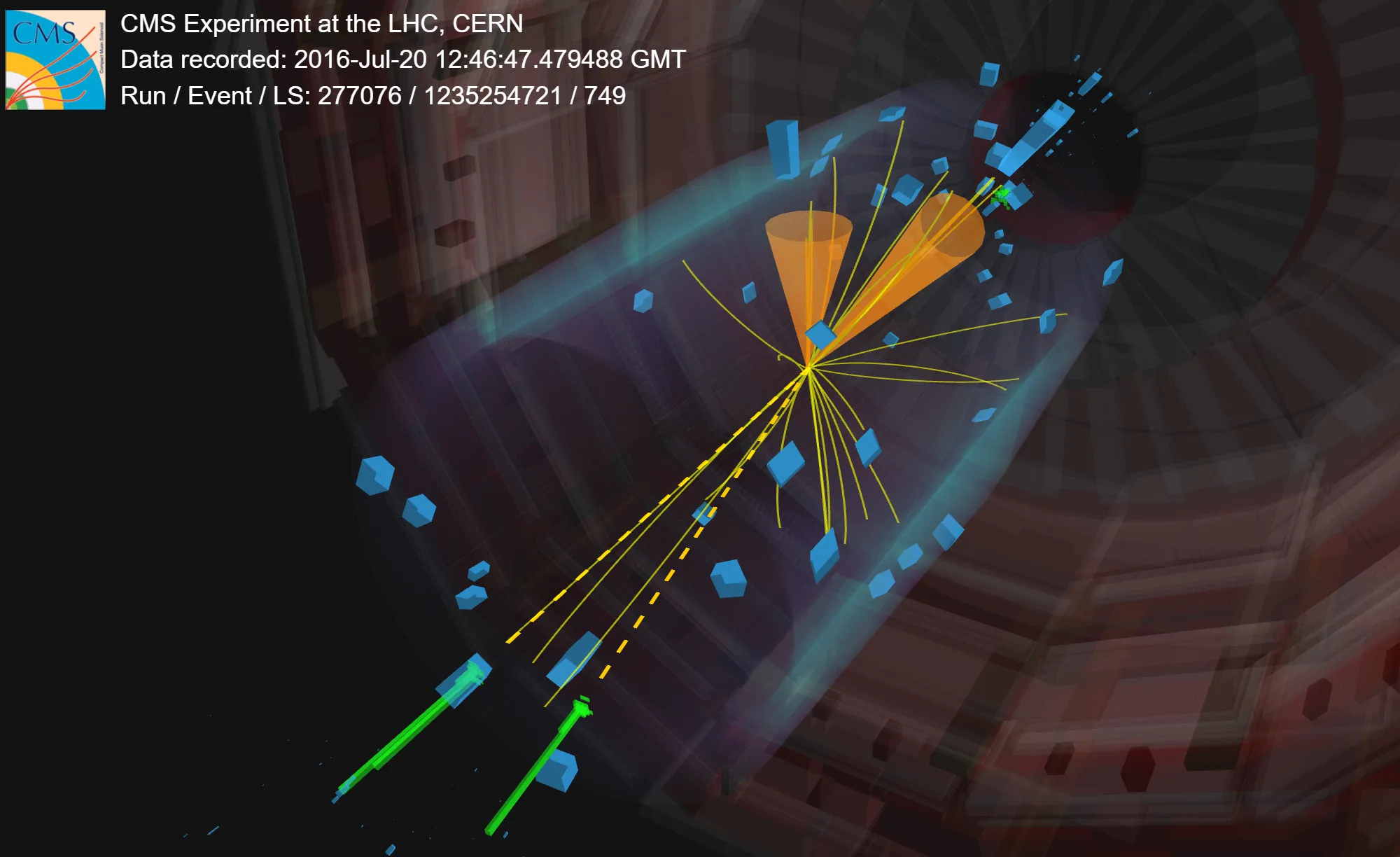
Two photons illuminate the path towards the Higgs boson’s hidden partner
CMS has made the first search in the two-photon and two-bottom-quark final state for a heavy particle with masses from one to four trillion electronvolts.
-
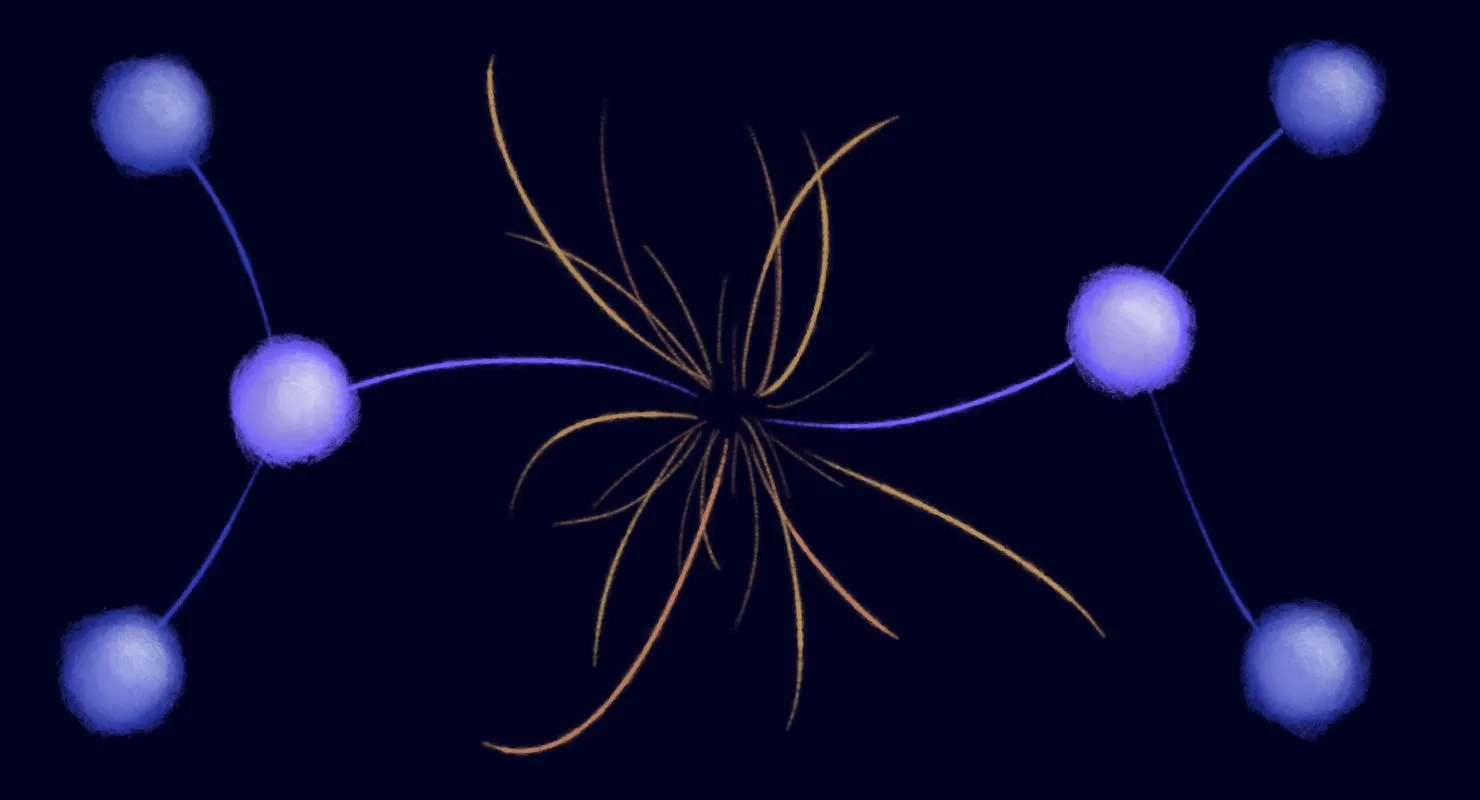
Two Higgs or not two Higgs? CMS advances the search for Higgs boson pair production
CMS advances the study of Higgs boson’s self-interaction by searching for Higgs boson pairs decaying into bottom quark–antiquark and tau lepton–antilepton pairs in collisions recorded between 2022 and 2024. Is the Standard Model (SM) the ultimate theory of particle physics?
-
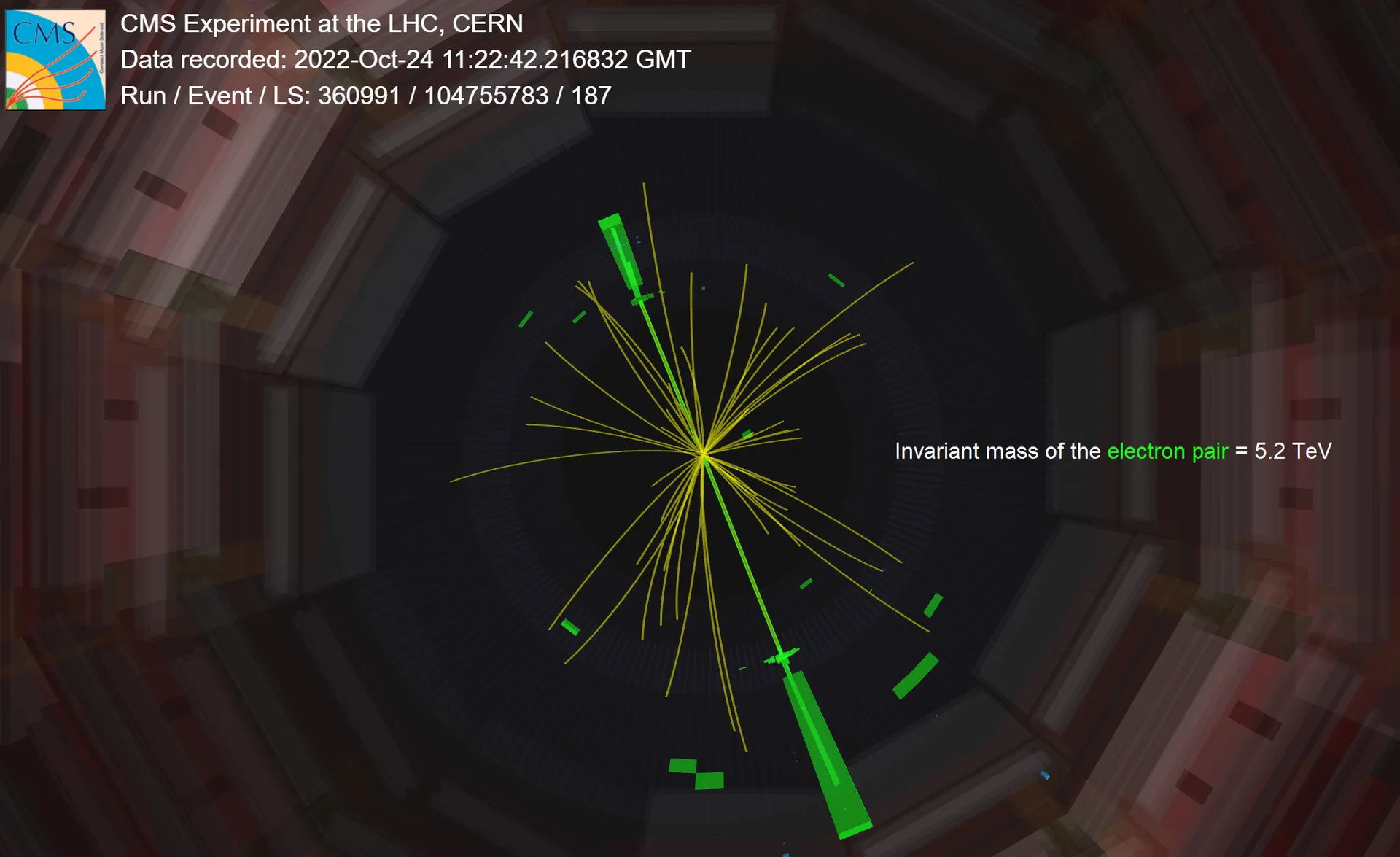
Is the Higgs boson truly elementary?
CMS probes the highest-energy lepton pairs ever recorded to search for hints pointing to a Higgs boson made of smaller constituents.
-
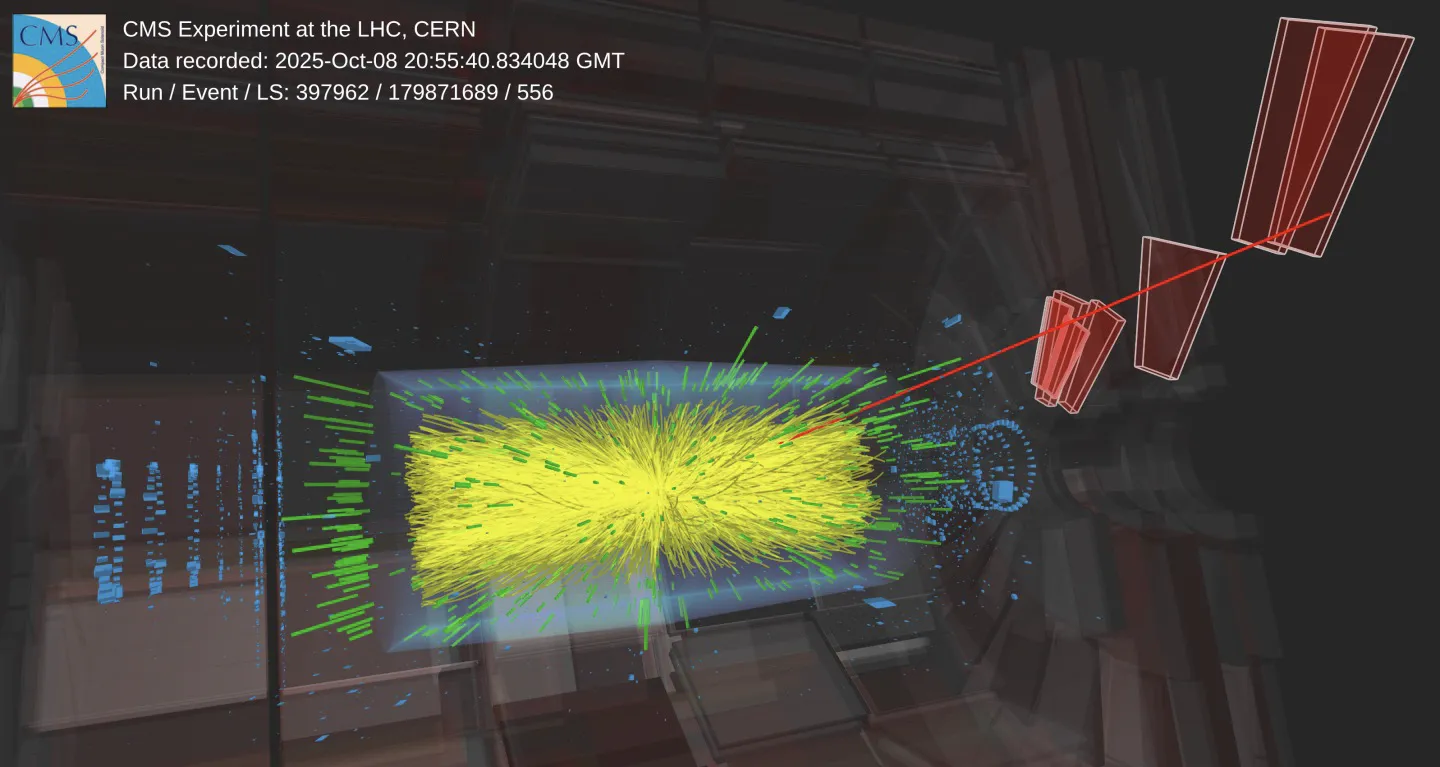
A glimpse of tomorrow’s collider, today
A special test run, with more than twice as many near-simultaneous collisions as usual, allowed CMS to test new methods of tracking and identifying particles, years before the upgraded High-Luminosity LHC comes online.
-
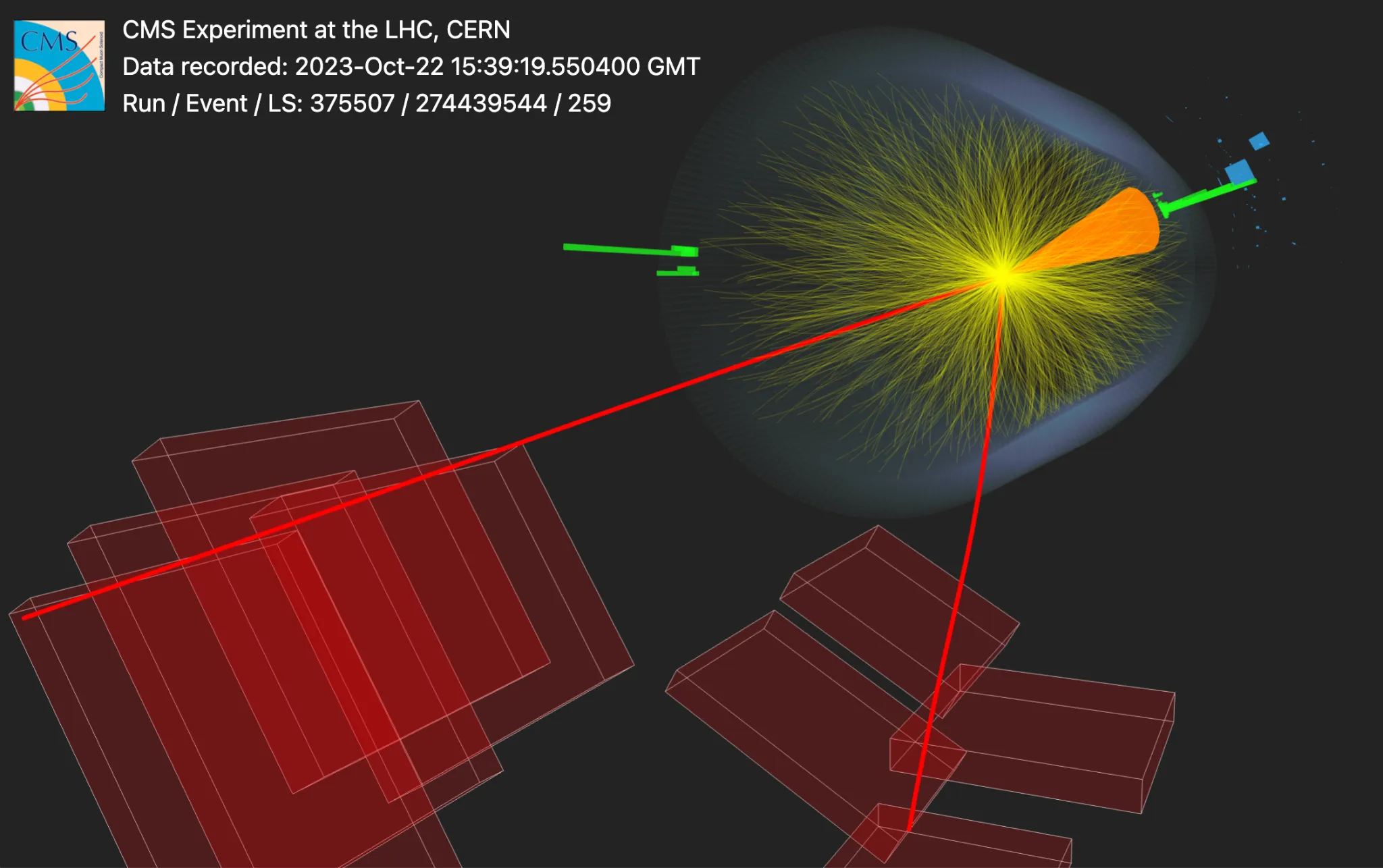
A messenger of the hottest matter in the Universe
Using Z bosons, the CMS experiment reveals new details of how the Quark-Gluon Plasma drains energy from energetic quarks and challenges current theoretical descriptions.
-

CMS at ICHEP 2026
The CMS Collaboration announces 28 new results for ICHEP 2026. Among the highlights are three new results including 2026 data, and several brand new searches.
-
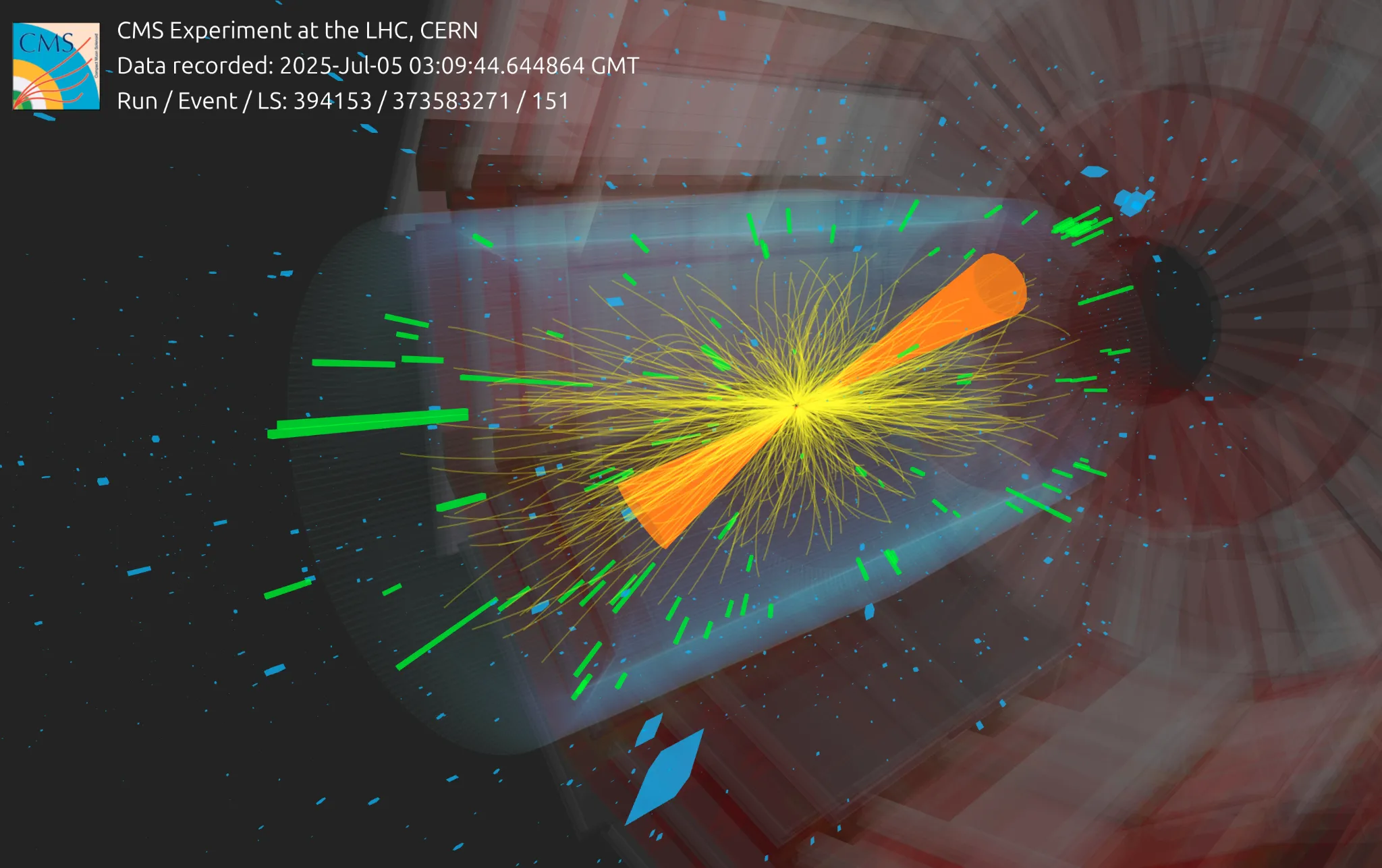
CMS maps the directional patterns of high-momentum particles in light-ion collisions
As high-transverse momentum particles punch through the plasma formed from light ions, the CMS experiment sees a possible imprint from the initial shape of the collisions For the first time, CMS has observed both suppression of high transverse momentum (pT) particles and anisotropy in their azimuthal distributions in a small collision system, which together represent…