Author: CMS Collaboration
-
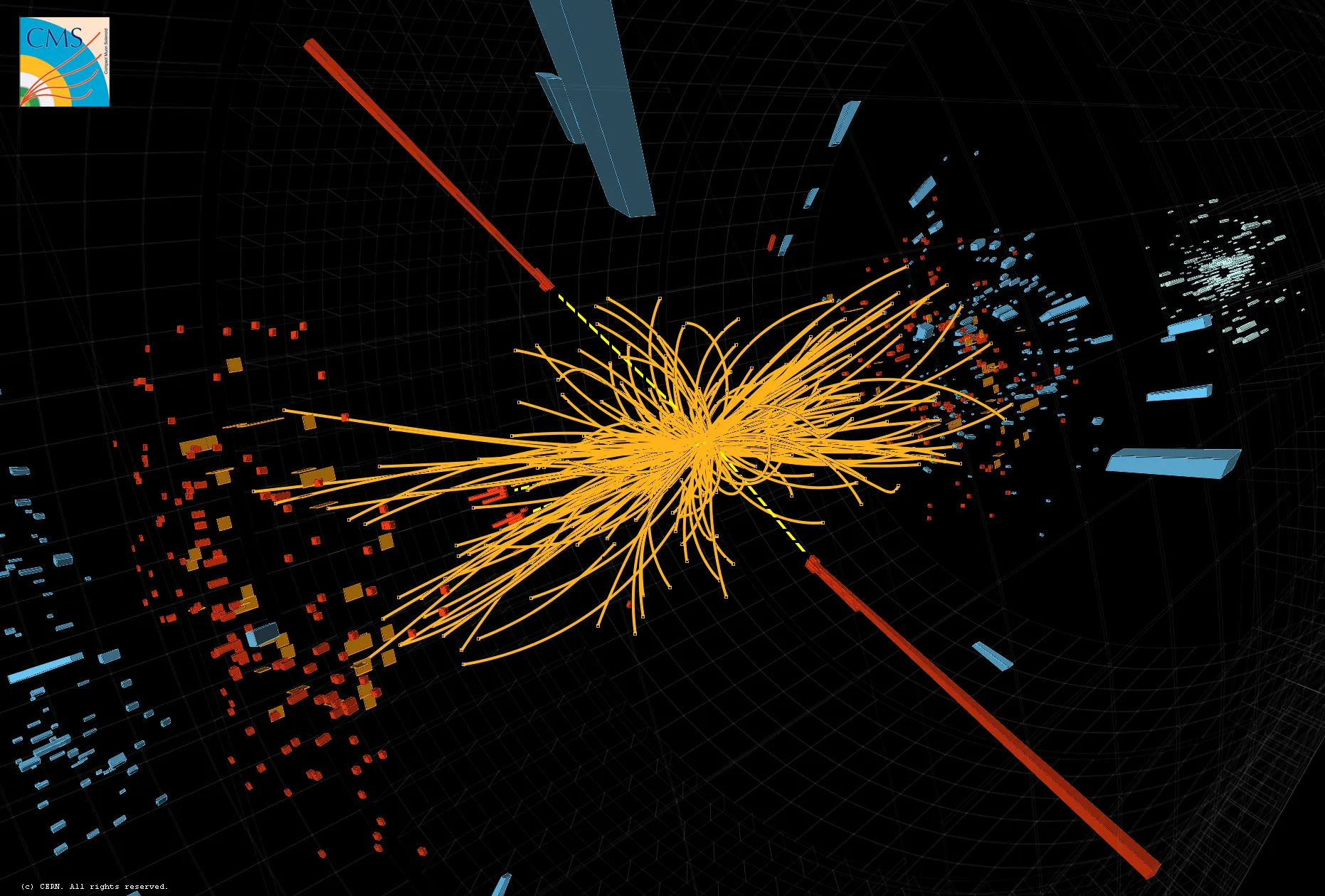
CMS search for the Standard Model Higgs Boson in LHC data from 2010 and 2011
CERN, 13th December 2011 The statement below is also available as PDF files in: Chinese (traditional) | Chinese (simplified) | Croatian | Dutch | English | Finnish | French | German | Greek | Hungarian | Italian | Persian | Polish | Spanish | Portuguese | Russian | Serbian | Turkish The Higgs boson is…
-
The Collide@CERN Artist-in-Residence Programme
The Collide@CERN Artist-in-Residence programme is currently seeking CERN scientists interested in engaging in thought-provoking and creative collaborations with visiting artists.
-
CERN TV news #3
Latest TV news from CERN – LHC Computing Grid and upcoming results
-
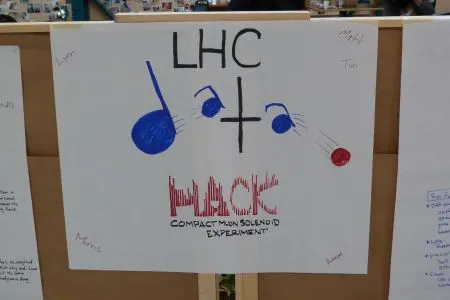
Diving into CMS data for Science Hack Day
Recently I participated in my second Science Hack Day (SHD), in San Francisco in November 2011. What is a Science Hack Day, you ask?
-
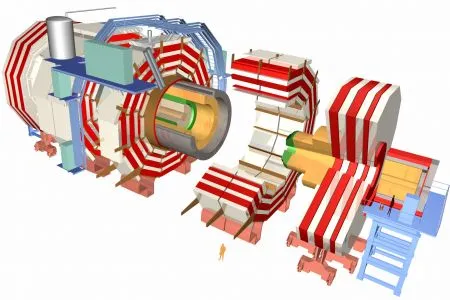
Upgrades workshop envisions the future of CMS experiments
On 30th October, scientists at CERN switched off the proton beams for the Large Hadron Collider.
-
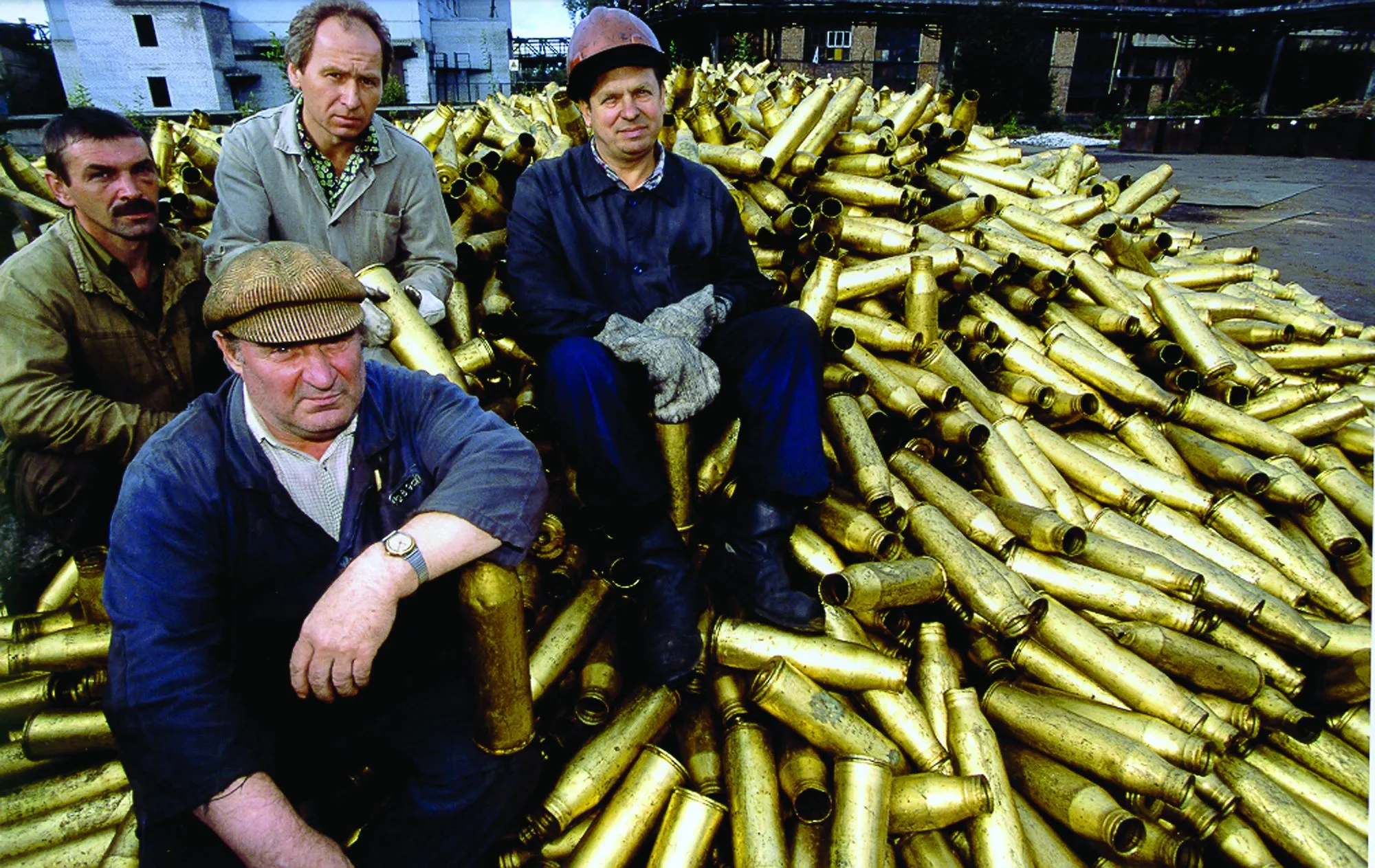
Using Russian navy shells
Constructing the endcap HCAL (HE) was the responsibility of the Russian and Dubna (RDMS) groups.
-
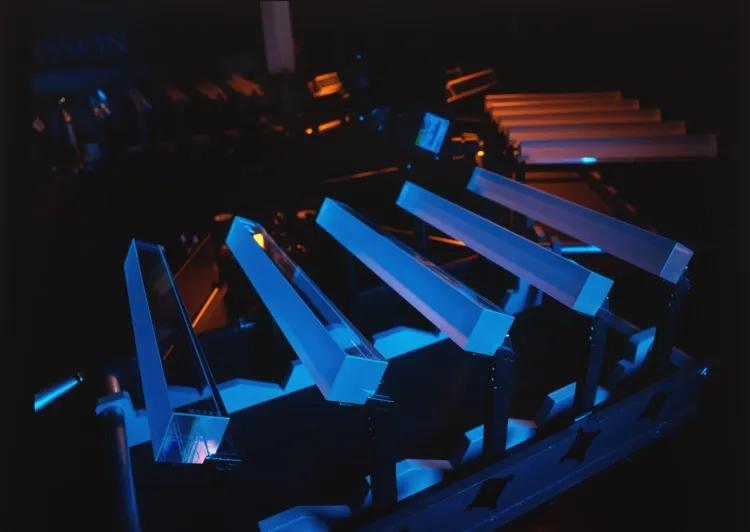
The crystal story
A crystal’s journey from creation to its place within the CMS electromagnetic calorimeter is an arduous one: its trials include travelling thousands of miles, being sawed and polished, as well as being heated to 1,165oC and cooled to 18oC.
-
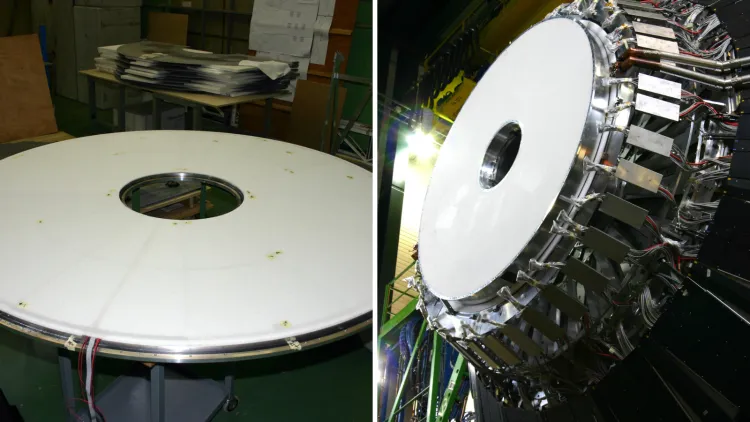
ECAL Preshower
One way the Higgs boson might decay is into high-energy photons and detecting them is one of the ECAL’s primary functions.
-
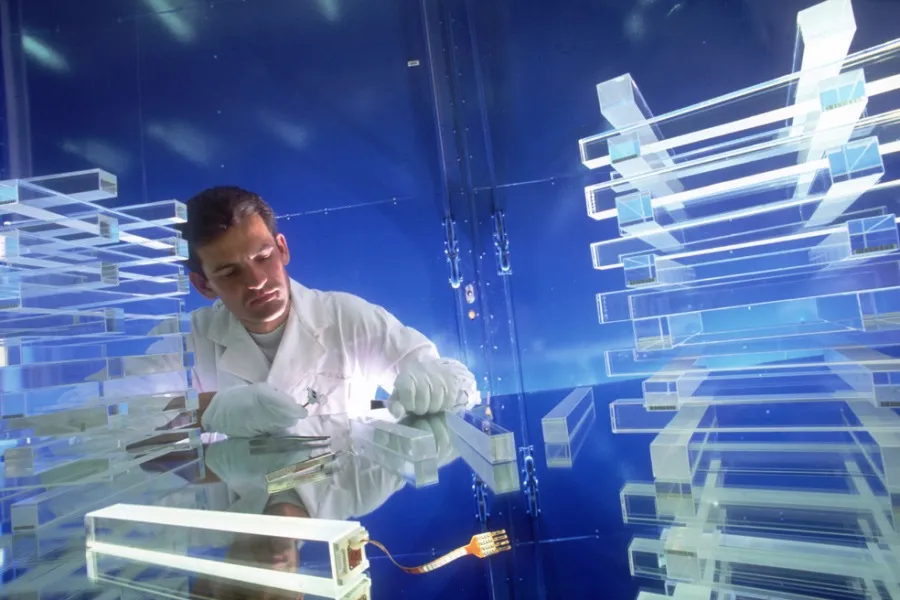
Crystal Calorimeter
CMS uses lead tungstate (PbWO4) for the almost 80,000 crystals: a material with high density that produces scintillation light in fast, small, well-defined photon showers.