Category: Article
-
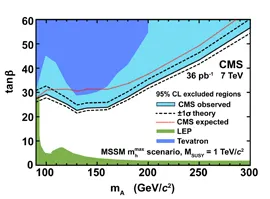
Search for Supersymmetric Higgs Bosons Decaying to Tau Pairs
If you buy just about any LHC physicist a beer, and talk for a while, eventually you’ll learn that he or she lives for the day when we make the next great discovery at this amazing machine.
-
Interview with Christophe Delaere, U. cath. de Louvain
Christophe Delaere, from the Université catholique de Louvain in Belgium, has been with CMS for five years.
-
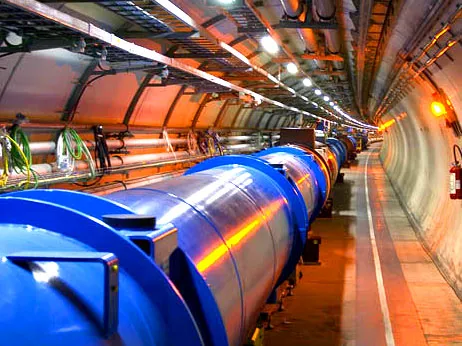
Record fill for CMS
Record fill for CMS: recorded 35.5 pb-1 (“inverse picobarns”) of collisions – almost as much as we recorded in the whole of 2010!
-
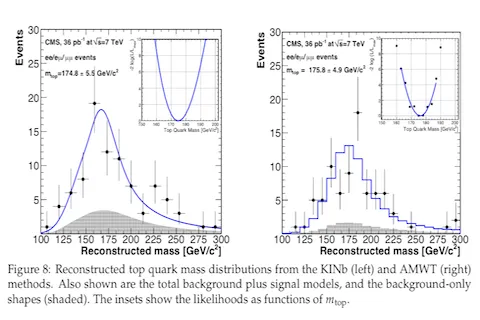
Measurement of t-tbar cross section and top quark mass
The t t-bar production cross section and top quark mass are measured in proton-proton collisions at sqrt(s) = 7 TeV in a data sample corresponding to an integrated luminosity of 36 inverse picobarns collected by the CMS experiment.
-
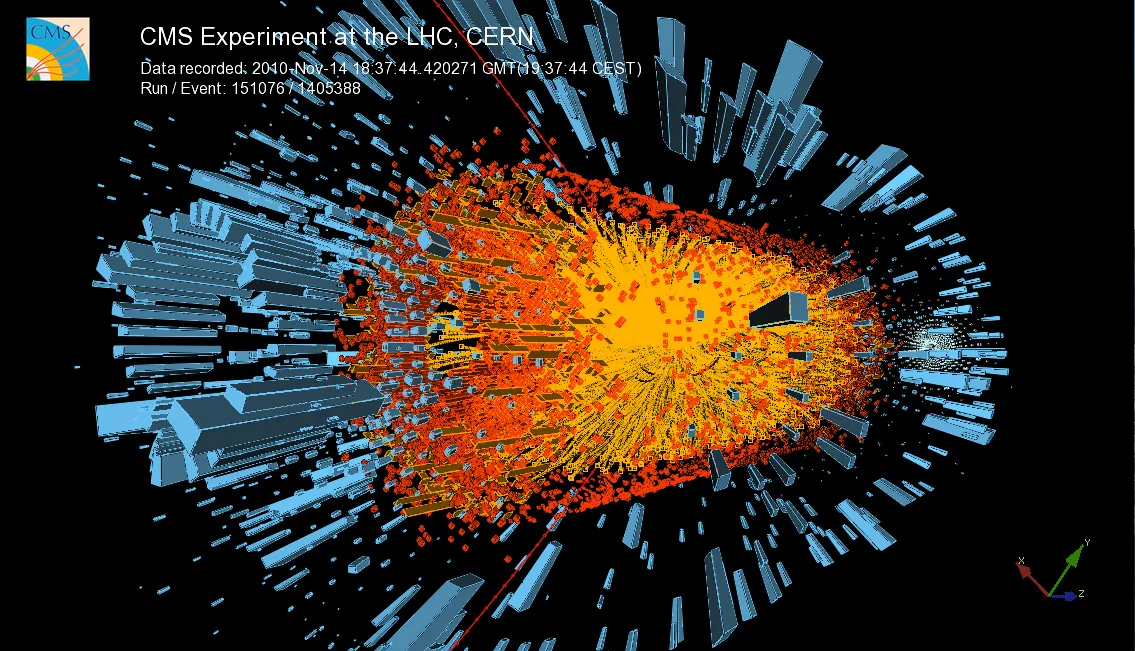
New CMS results from Heavy Ion collisions
The CMS collaboration is presenting its latest results this week at the annual Quark Matter conference, held this year in Annecy, France.
-
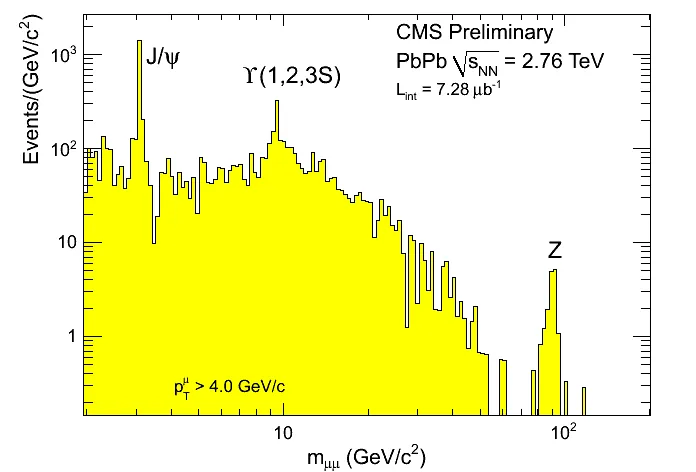
Important heavy-ion results from CMS
The CMS experiment has made several unique measurements using data from LHC collisions of lead nuclei (PbPb, November 2010) at centre-of-mass energies of 2.76 TeV per nucleon pair.
-
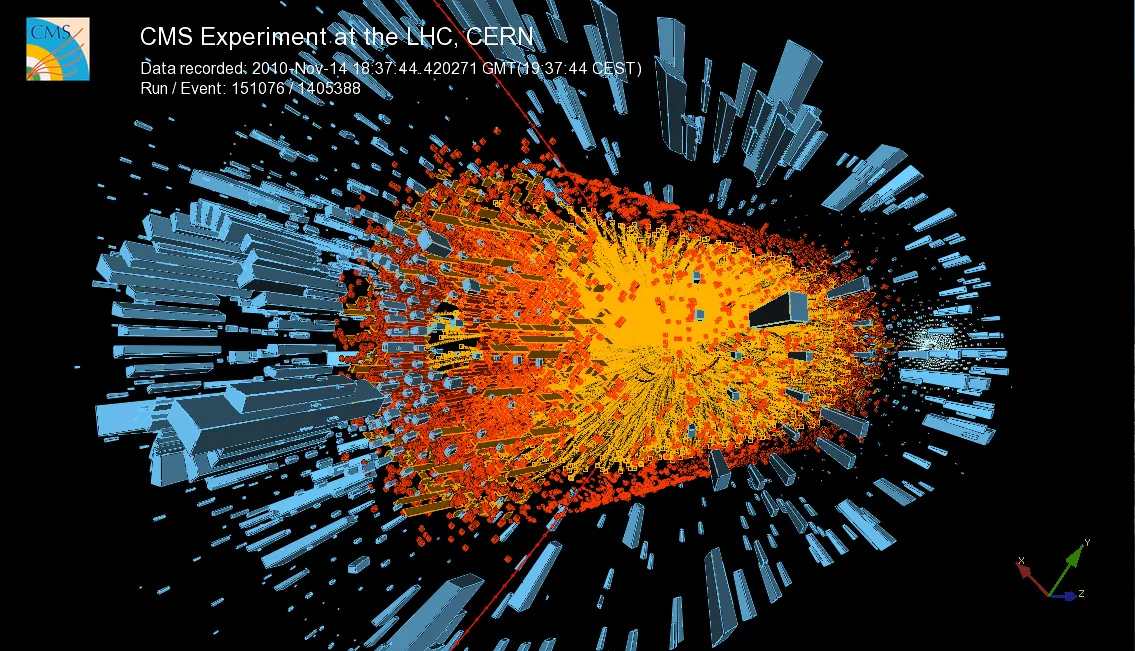
CMS observes hints of melting of Upsilon particles in lead-nuclei collisions
In our Universe today, quarks are always bound together by gluons to form “composite” particles such as protons and neutrons.
-
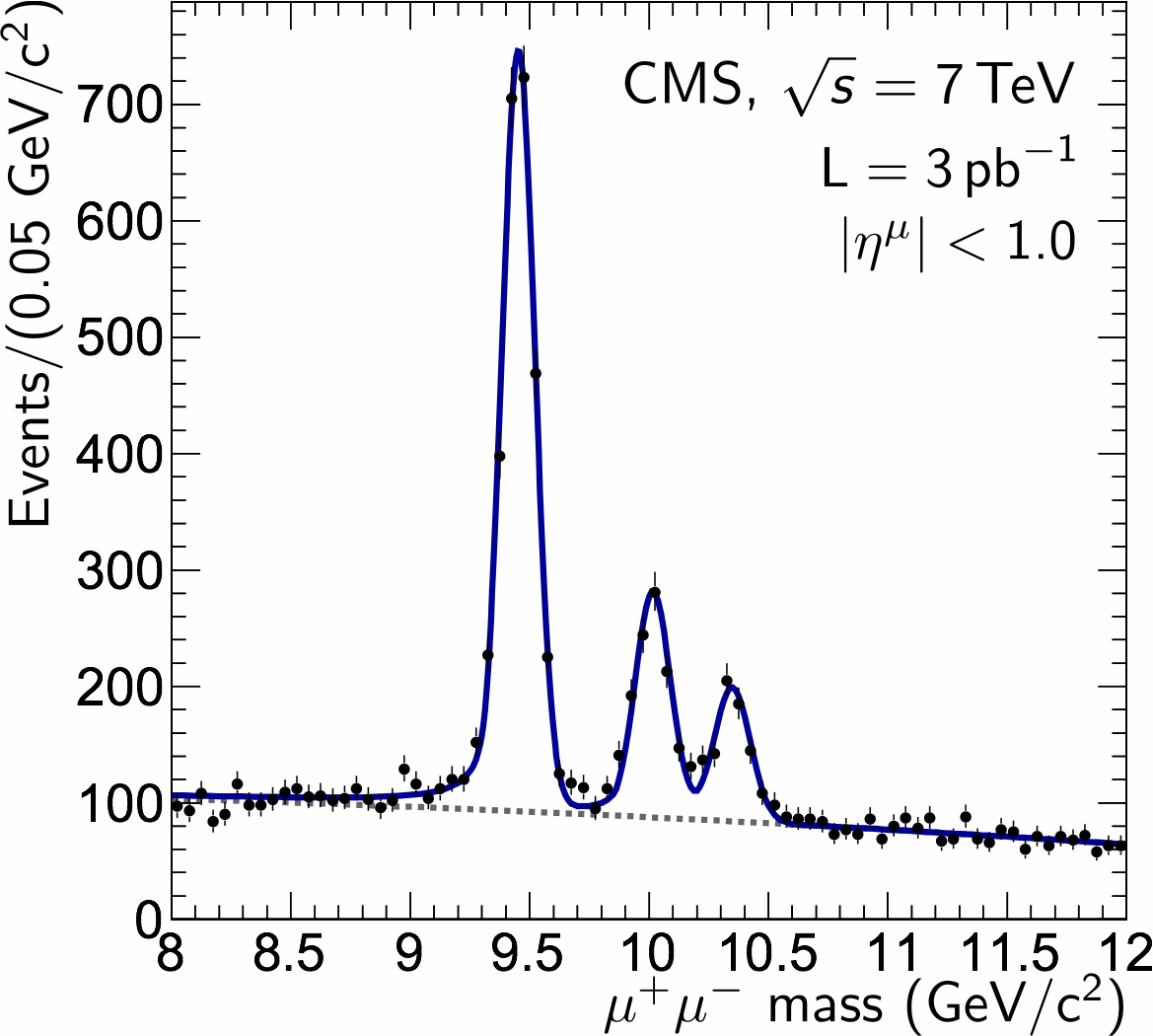
First measurement of Upsilon production at 7 TeV at the LHC
The paper, accepted for publication in Physical Review D in April, presents the first measurement of Υ (Upsilon) production at a centre-of-mass collision energy of 7 TeV at the LHC.
-
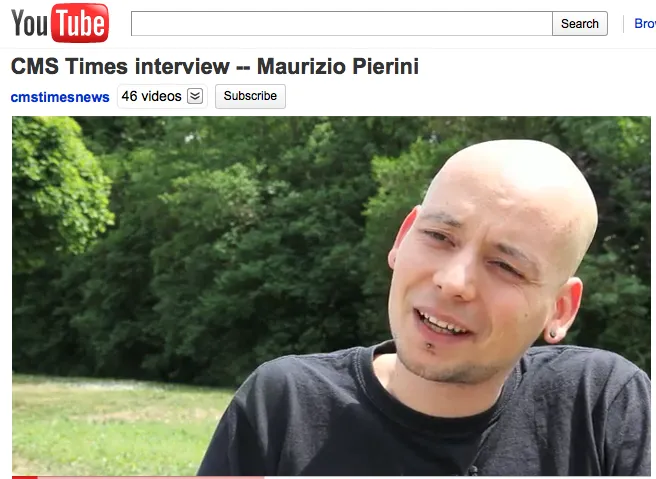
Interview with Maurizio Pierini, CMS physicist
Maurizio Pierini has been with CMS since he first started work at CERN in 2007. He tells us about his work, his interests, and why physics is such a big part of his life.
-
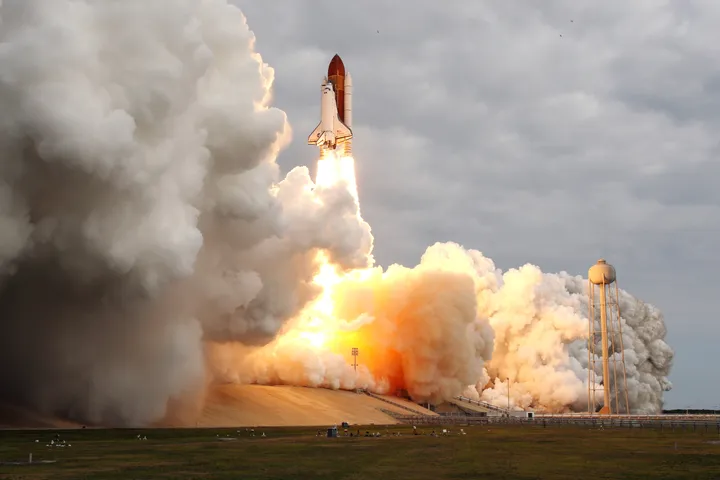
Two-thirds in common: AMS and CMS
The Alpha Magnetic Spectrometer (AMS) experiment, designed to study dark matter and anti-matter from the International Space Station, launched successfully aboard the Endeavour shuttle from NASA’s Kennedy Space Center on 16th May, 2011. AMS was built by an international collaboration of 600 physicists from 56 institutes including CERN and a few CMS institutes.