
Category: Article
-
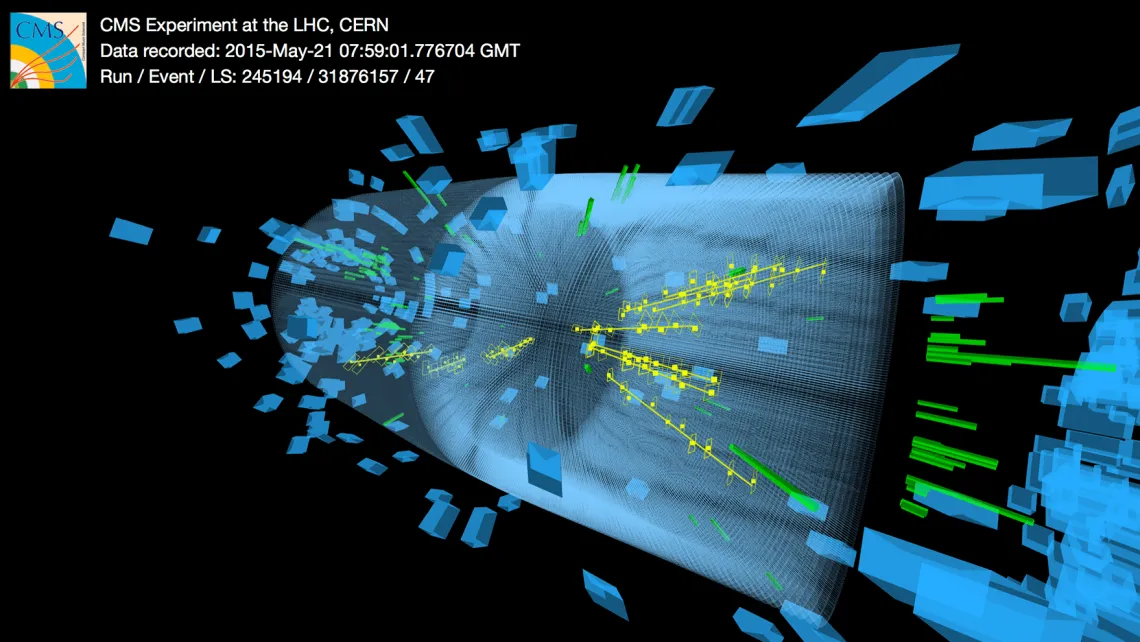
LHC collides protons at 13 TeV to tune accelerator
Record-breaking collisions seen by CMS
-
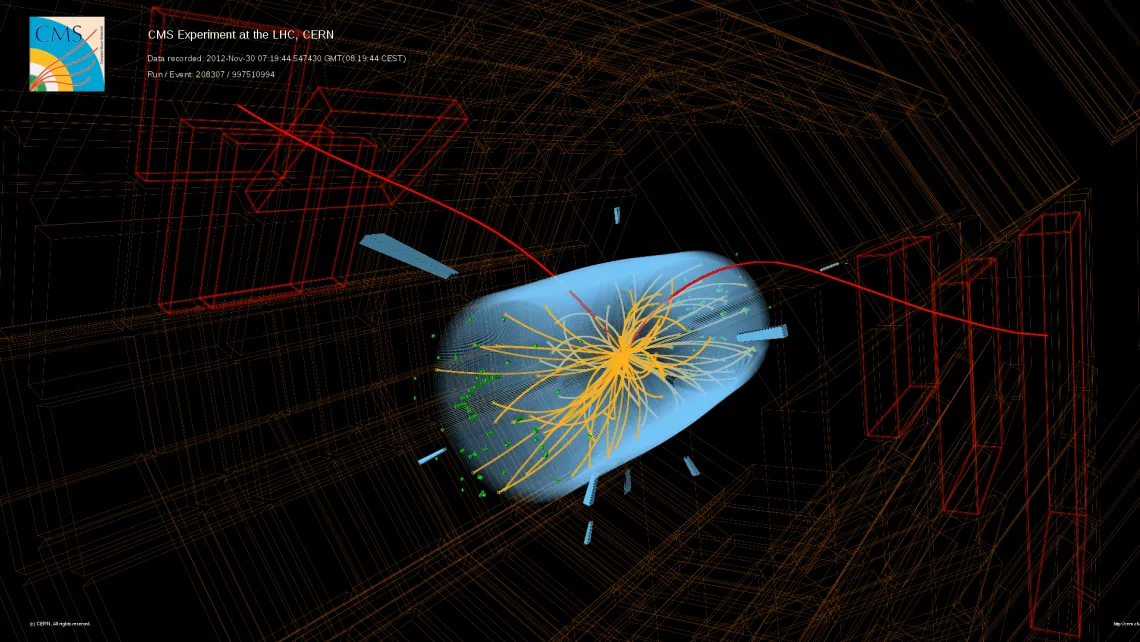
A very rare decay has been seen by CMS
CMS Experiment, CERN 13 May 2015 UPDATE 2: The CMS data used in the result below have been analysed together with LHCb’s data to obtain a combined result that is now published in Nature.
-
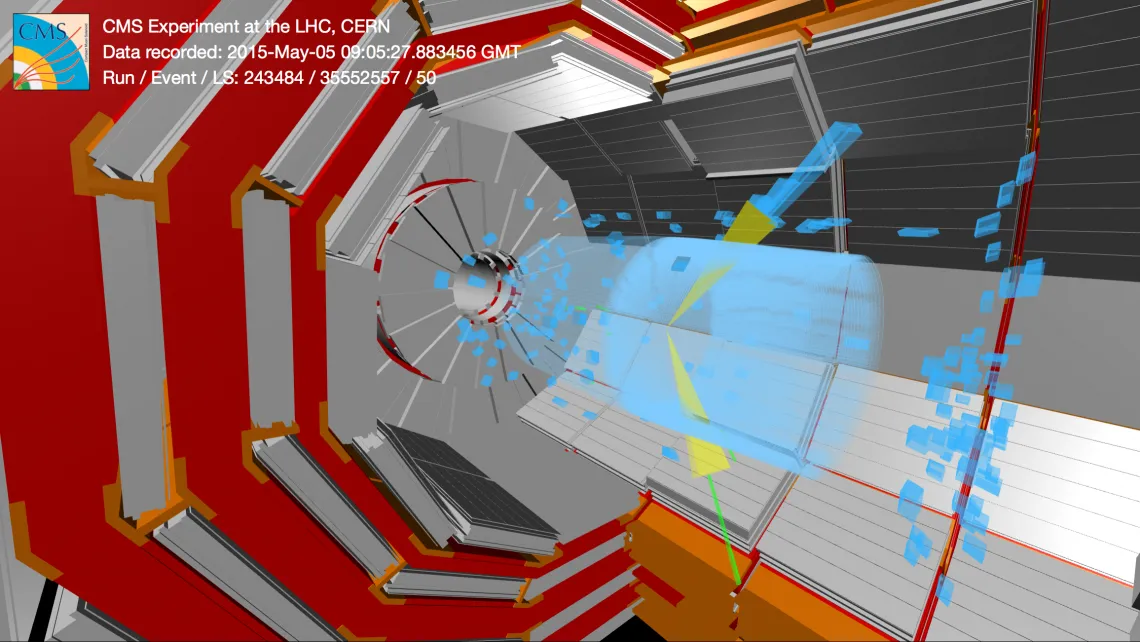
LHC delivers low-energy collisions to CMS and other experiments
First proton-proton collisions after LS1
-
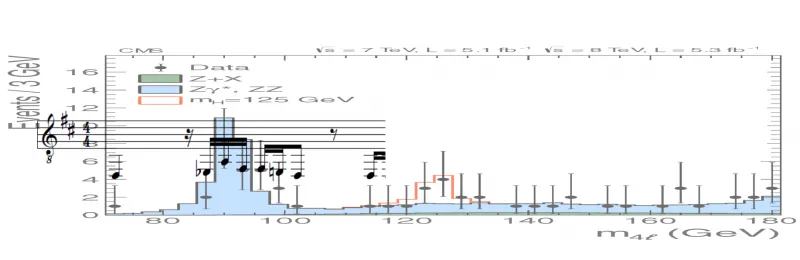
What would the Higgs discovery sound like as a heavy-metal song?
Last year I was part of the team that made a video for CERN’s 60th anniversary called “LHChamber music”.
-
Night-shift live stream: #RestartLHC splash events
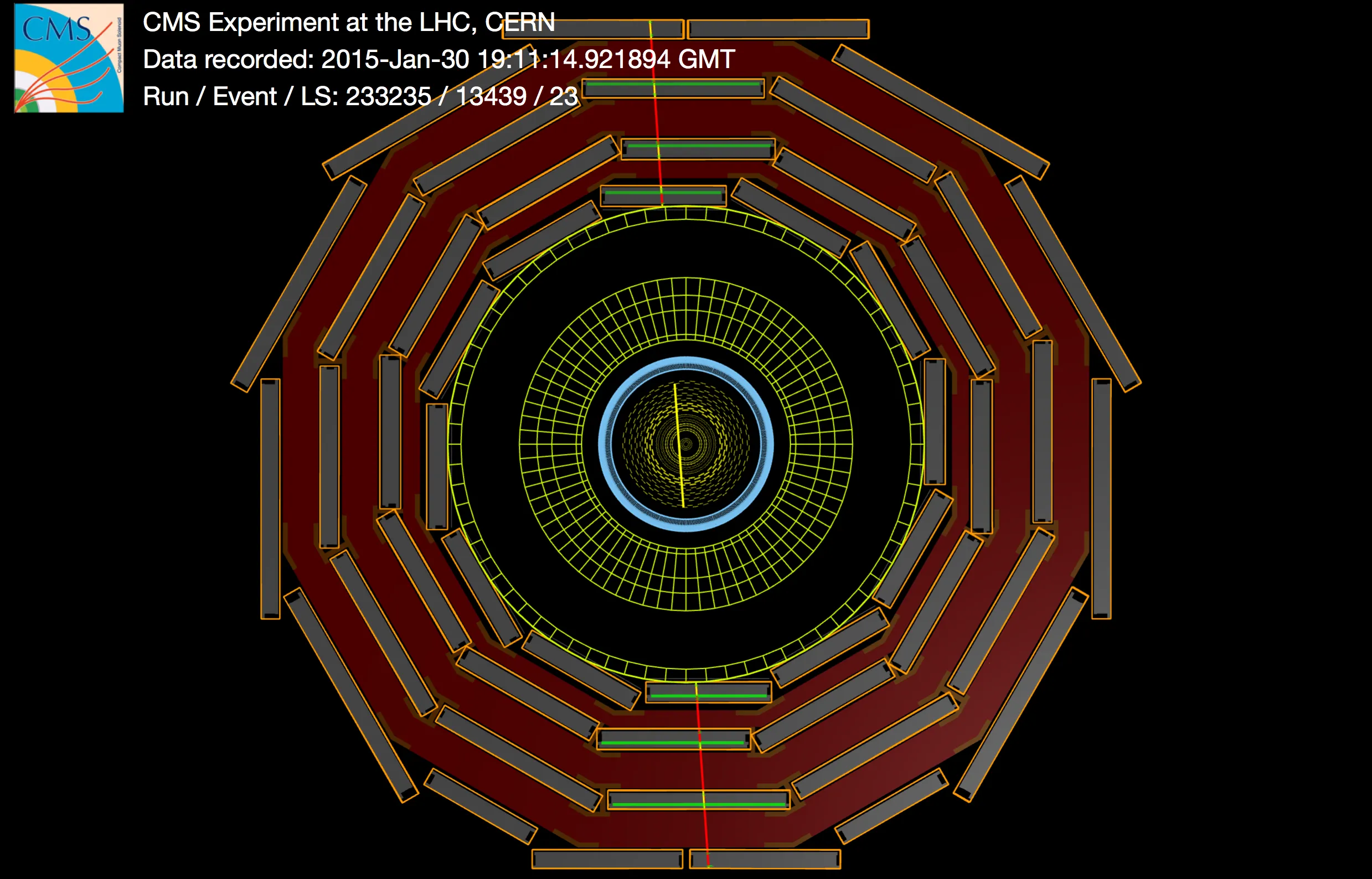
Yesterday, the LHC circulated the first beams in the accelerator after Long Shutdown 1 and CMS recorded some splash events.
-
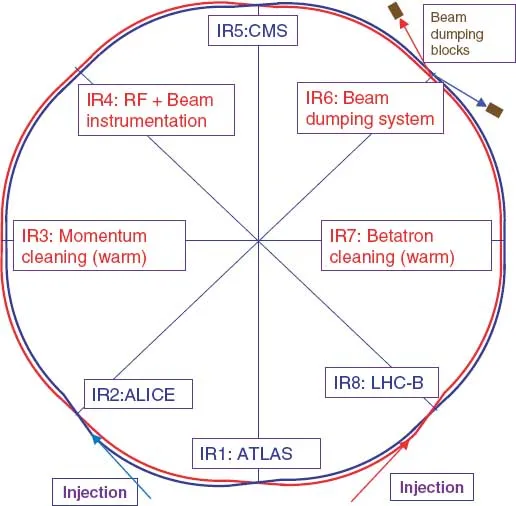
CMS sees first beams of LHC Run 2
Yesterday was an exciting day!
-
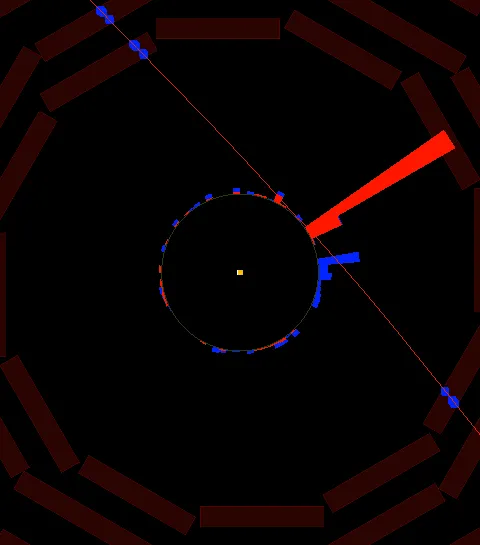
Preparing for the first beam “splashes”
After a two-year hiatus, proton beams will soon start to circulate in the LHC and, in a couple of months from now, we will have the first collisions at 13 TeV, nearly twice as much as in the first run of the LHC back in 2010-2012.
-
CMS is never idle
CMS is eager to see the first collisions of the LHC Run2. The recent news that the LHC restart may be delayed because of a hardware issue gives us extra time to prepare for those collisions.
-
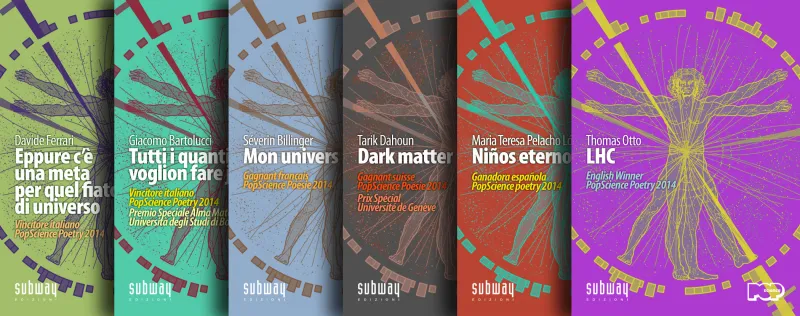
CMS inspires award-winning poetry
Every year on the last Friday of September, hundreds of cities around Europe celebrate the beauty and wonder of science as part of the European Researchers’ Night.
-
How massive?