
Category: Article
-
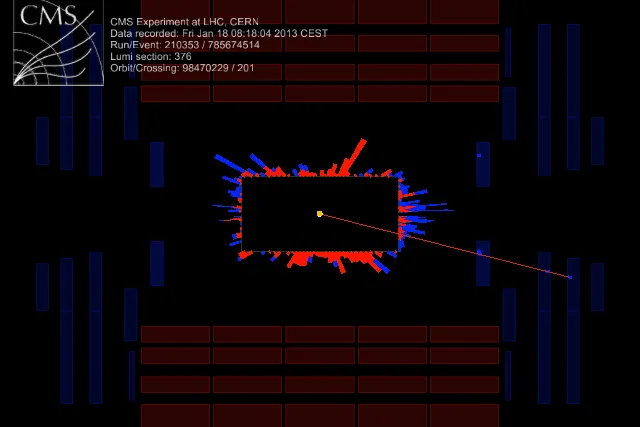
Colliding different particle species: the LHC’s proton-lead run
The new year brings a new type of collision at the LHC: the accelerator will smash protons and lead nuclei together, allowing CMS and the other LHC experiments to study the cold nuclear matter we expect these collisions to produce.
-
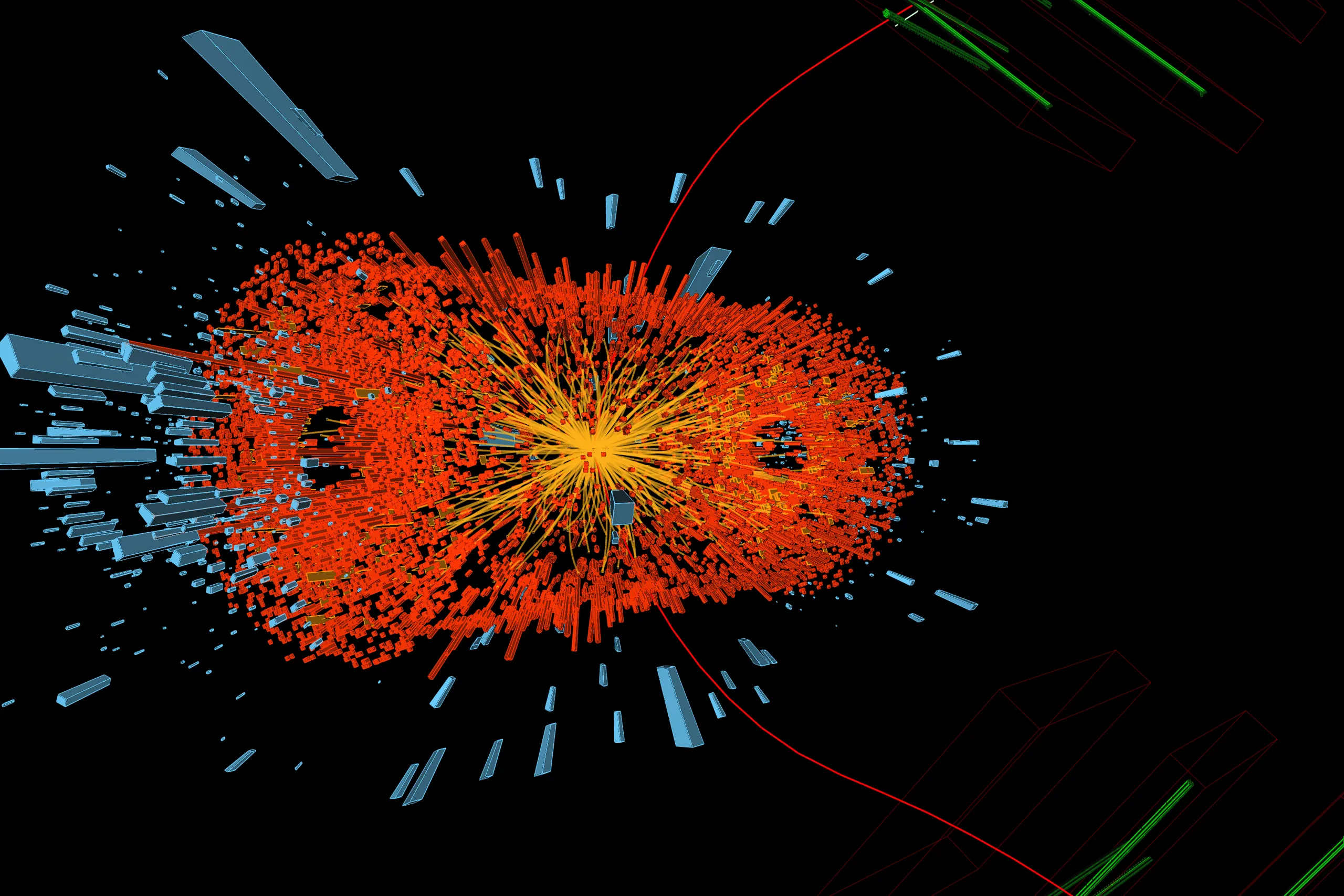
CMS observes melting of Upsilon particles in heavy-ion collisions
In 2011, CMS presented early evidence that Upsilon (Υ) particles produced in lead-lead collisions “melt” as a consequence of interacting with the hot nuclear matter created in these heavy-ion interactions.
-
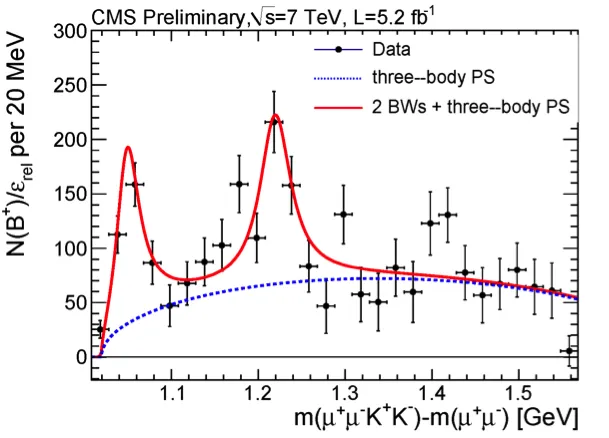
CMS observes unexplained particle states
In the vast particle landscape, there are, to borrow a phrase, known knowns (the Standard Model, for example), unknown unknowns (exotic extensions of the Standard Model and beyond), and those ever-interesting known unknowns.
-
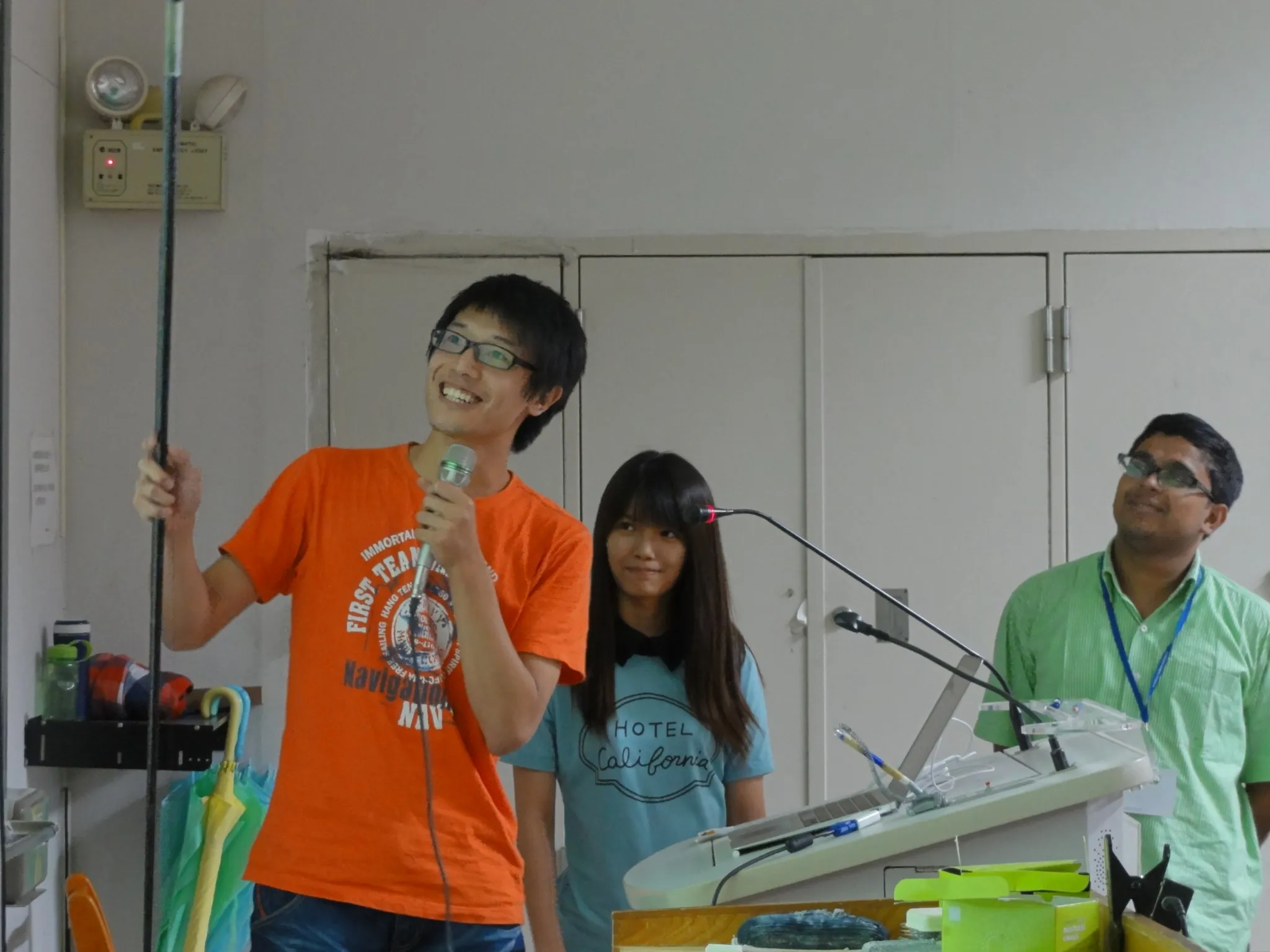
CMSDASia: First CMS Data Analysis School held in Asia
Collaborations of high-energy physicists often number in the thousands, and this presents some unique challenges.
-
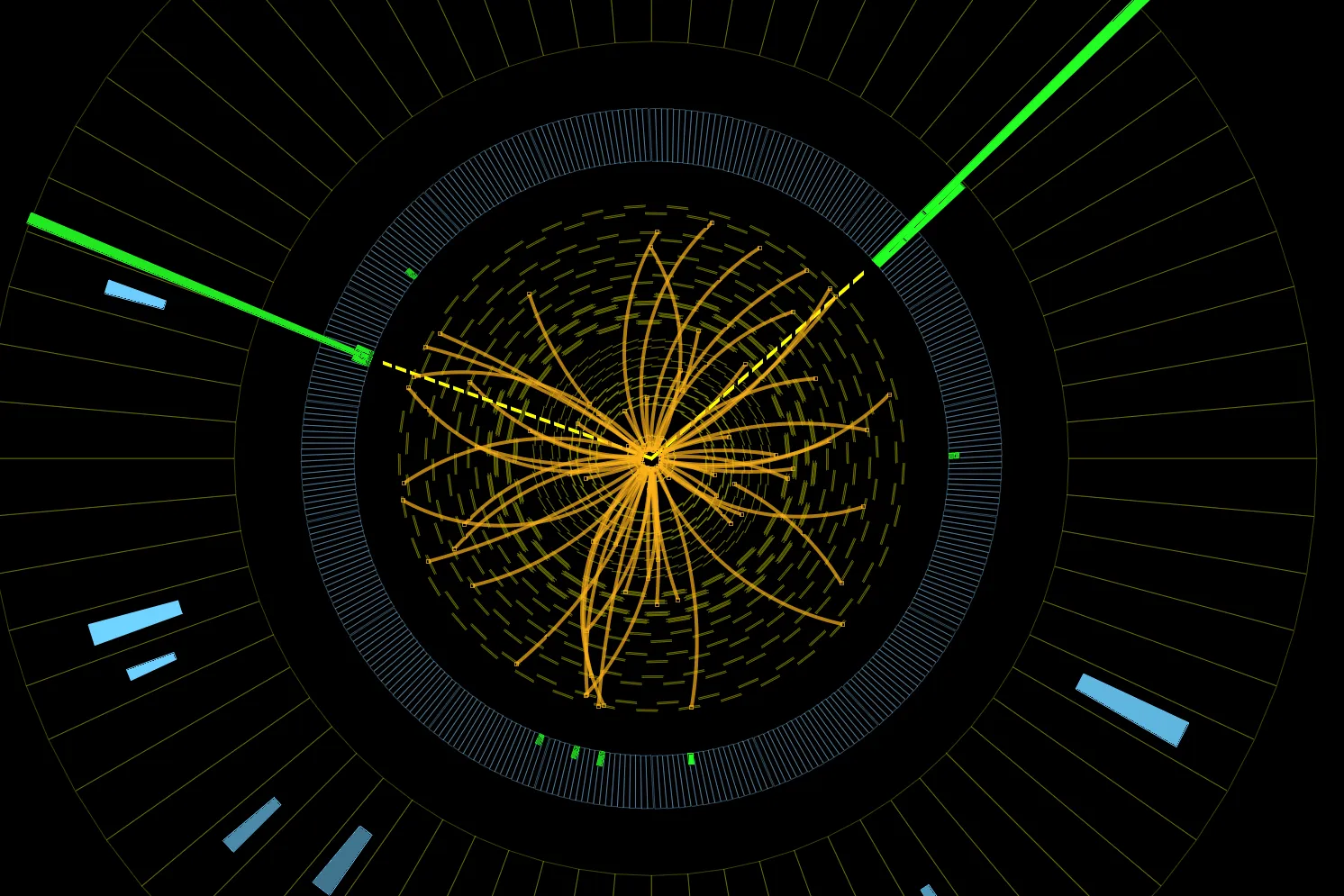
Highlights of CMS results presented at HCP
Kyoto, Japan on 12–16 November 2012
-
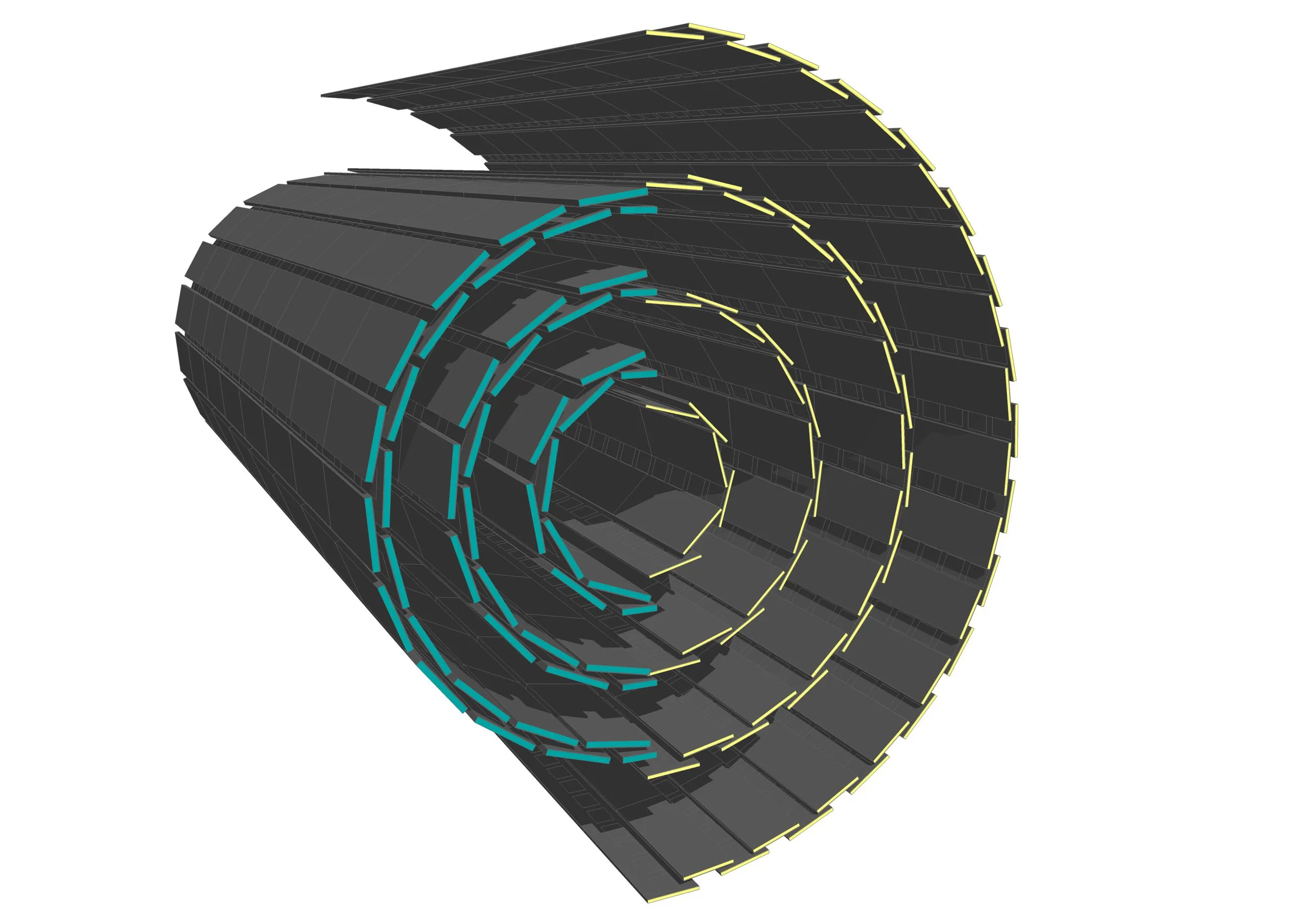
CMS prepares for Pixel and HCAL upgrades
After three years of very successful operation that led to the discovery of a new boson in 2012, the LHC is scheduled for a series of upgrades that will enhance the experimental potential to study the nature of the new particle, and to extend the searches for new physics beyond the Standard Model.
-
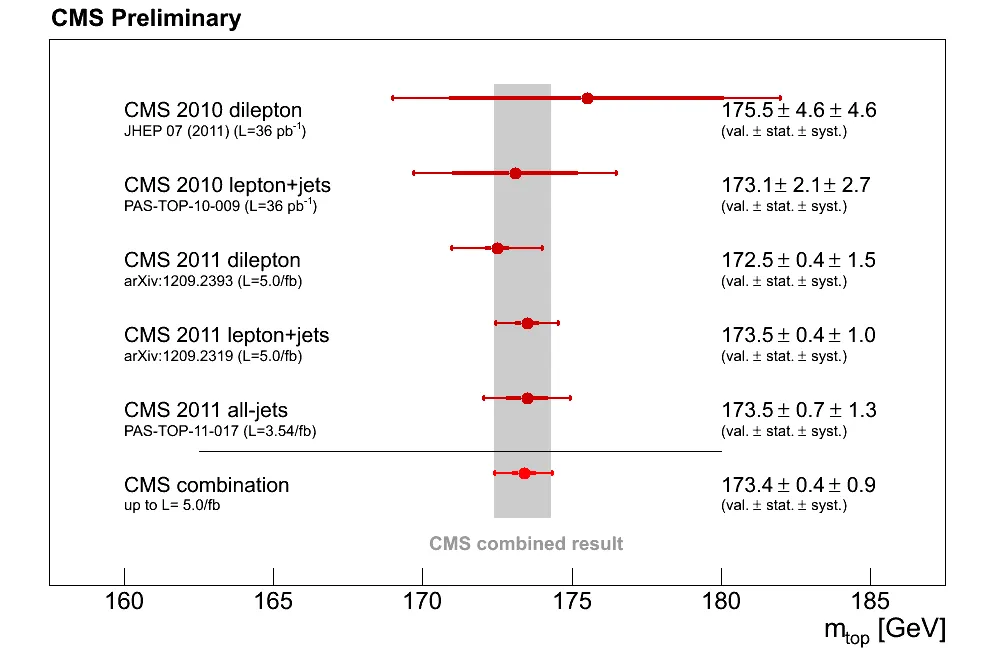
Precision measurements using top quarks at CMS
Amongst all known elementary particles, the top quark is peculiar: weighing as much as a Tungsten atom, it completes the so-called 3rd generation of quarks and is the only quark whose properties can be directly measured.
-
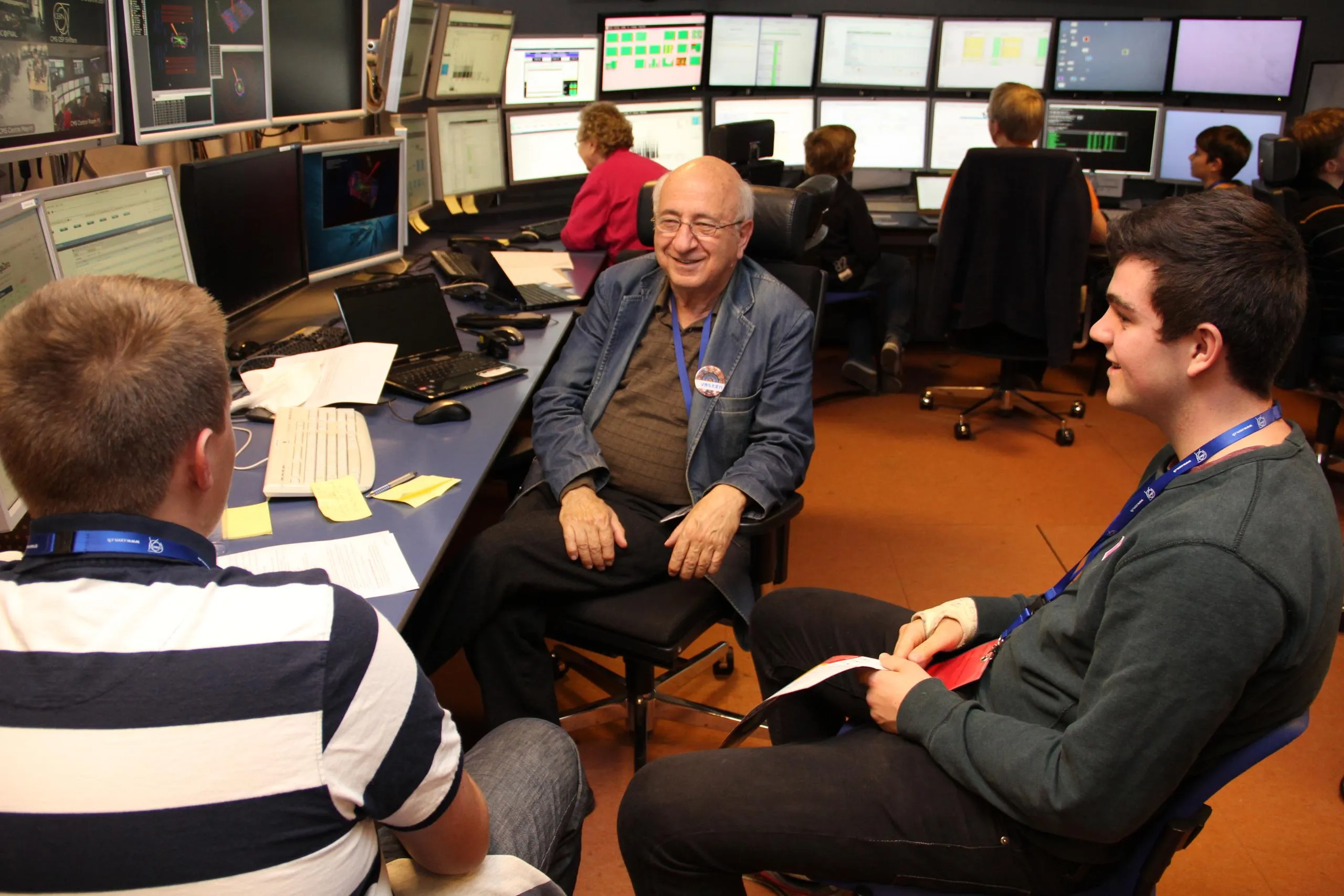
CMS Control Room: a perfect venue for Friday nights!
Part of the CMS collaboration’s commitment to the ongoing experiments at the LHC is to participate in the detector shifts which occur 24 hours a day, seven days a week.