
Tag: heavy ion
-
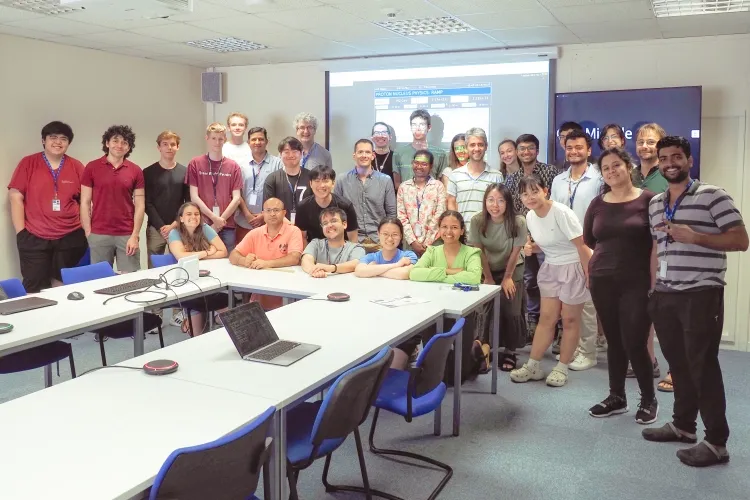
First ever oxygen and neon LHC collisions are studied by CMS
This year, the LHC is colliding more than protons and lead ions: oxygen and neon have also made it into the collider, and are being studied by CMS and the other LHC experiments in order to understand the early universe!
-
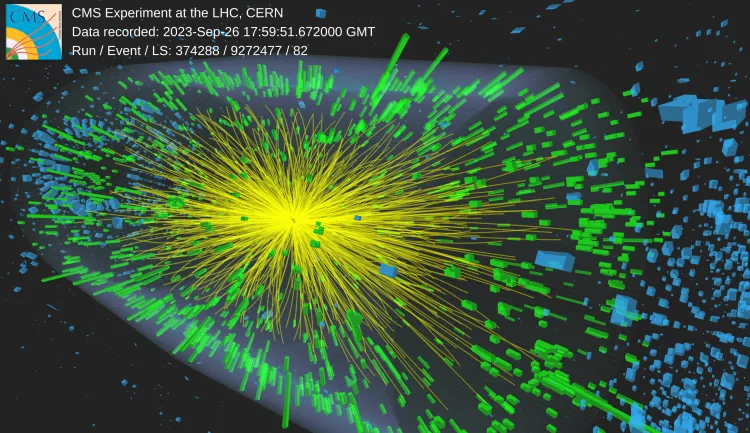
The Start of the 2023 Heavy-Ion Run
Yesterday at 7:46 pm the first stable beams of the LHC 2023 heavy-ion run have been recorded.
-
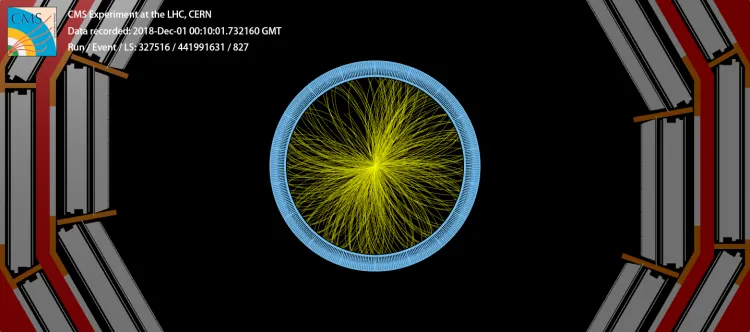
Exploring the physics processes inside the hottest matter in the universe
Quarks are elementary particles in the Standard Model and the building blocks of the protons and neutrons in atoms.
-
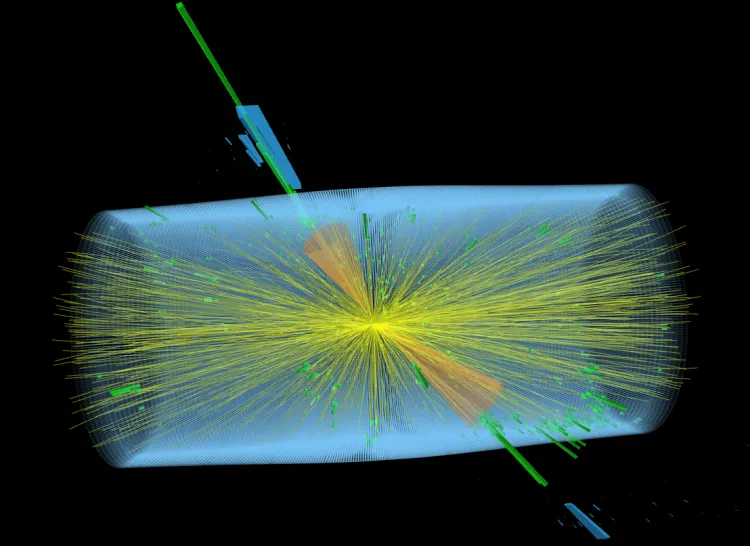
Jetting through a droplet of matter from the early universe
High energy heavy-ion collisions provide a unique opportunity to study one of the four forces of nature, the strong force, under extreme conditions.
-

CMS presents new results at the Quark Matter 2019 conference
The CMS collaboration presented over ten brand-new results in the latest installment of the Quark Matter conference, one of the largest conferences in the field of heavy-ion physics.
-
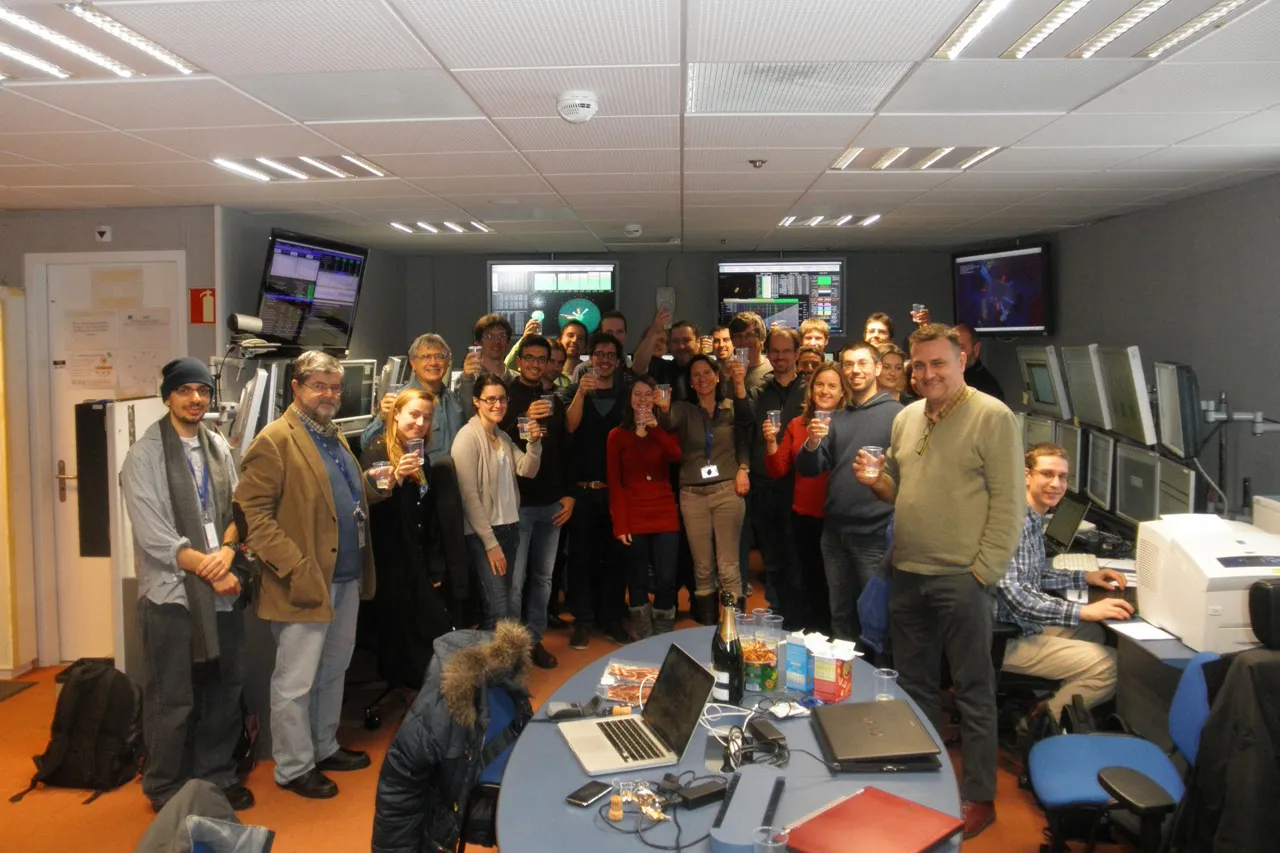
First collisions of pPb run with stable beams
The LHC has just delivered the first pPb (proton-lead) collisions with stable beams of 2013 and CMS is happily running with all sub-detectors on.
-
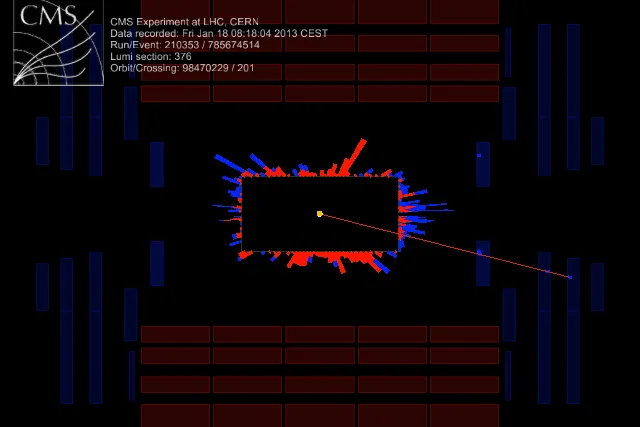
Colliding different particle species: the LHC’s proton-lead run
The new year brings a new type of collision at the LHC: the accelerator will smash protons and lead nuclei together, allowing CMS and the other LHC experiments to study the cold nuclear matter we expect these collisions to produce.
-
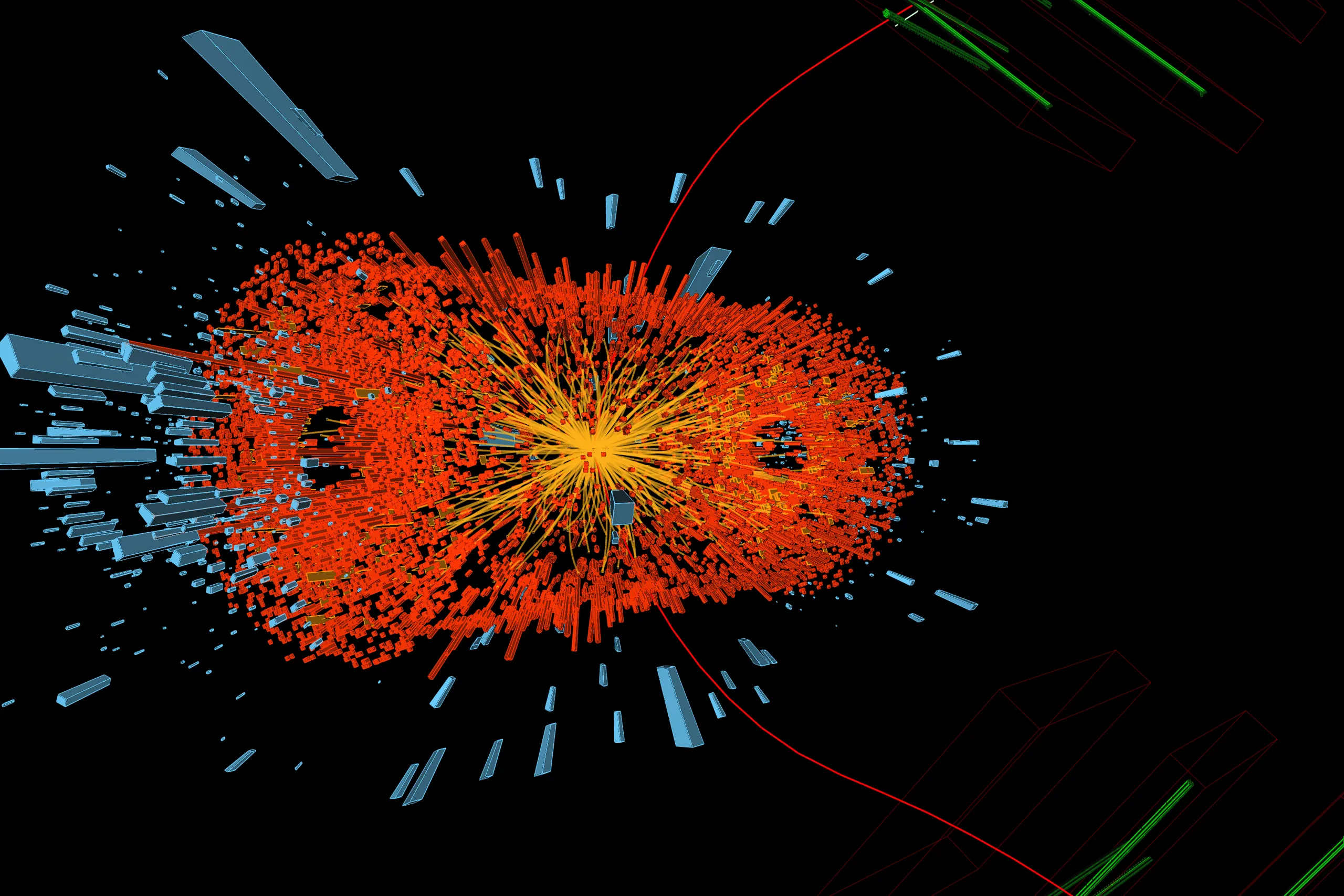
CMS observes melting of Upsilon particles in heavy-ion collisions
In 2011, CMS presented early evidence that Upsilon (Υ) particles produced in lead-lead collisions “melt” as a consequence of interacting with the hot nuclear matter created in these heavy-ion interactions.
-
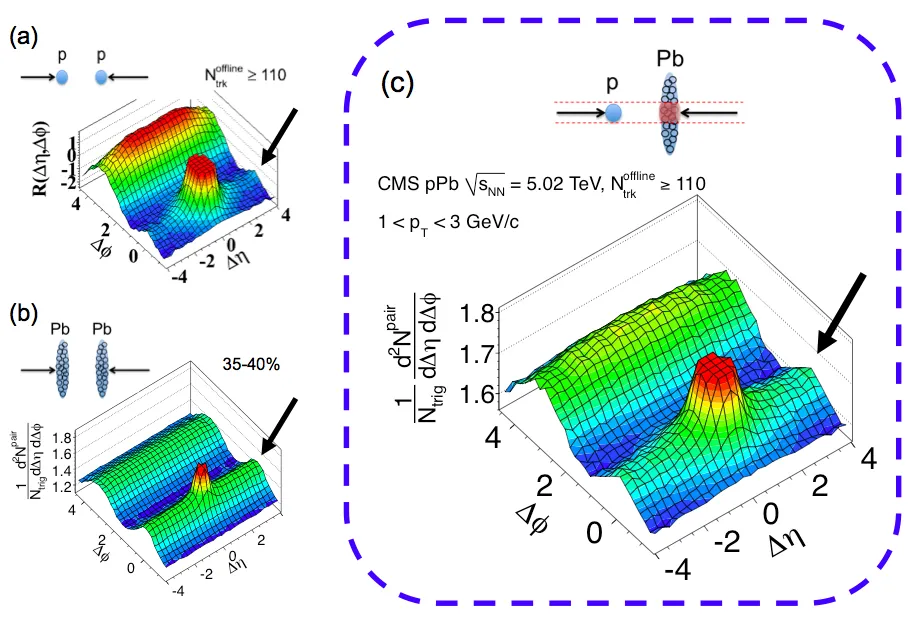
Unexplained long-range correlations observed in pPb collisions
CMS has published its first paper on proton-lead (pPb) collisions, describing the observation of a phenomenon that was previously seen first in nucleus-nucleus collisions but also detected by CMS in proton-proton (pp) collisions.
-

Asymmetric collisions: smashing protons into lead nuclei
Our best understanding of the early Universe tells us that a dense medium, known as the quark-gluon plasma (QGP), existed in the first microseconds after the big bang.