
Tag: Muons
-
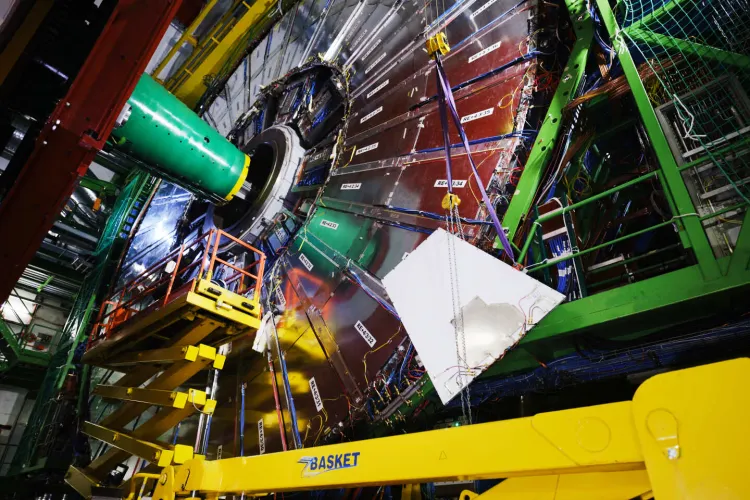
improved Resistive Plate Chambers Demonstrator – A step towards HL-LHC
The installation of a new prototype of CMS muon chambers was completed last December.
-
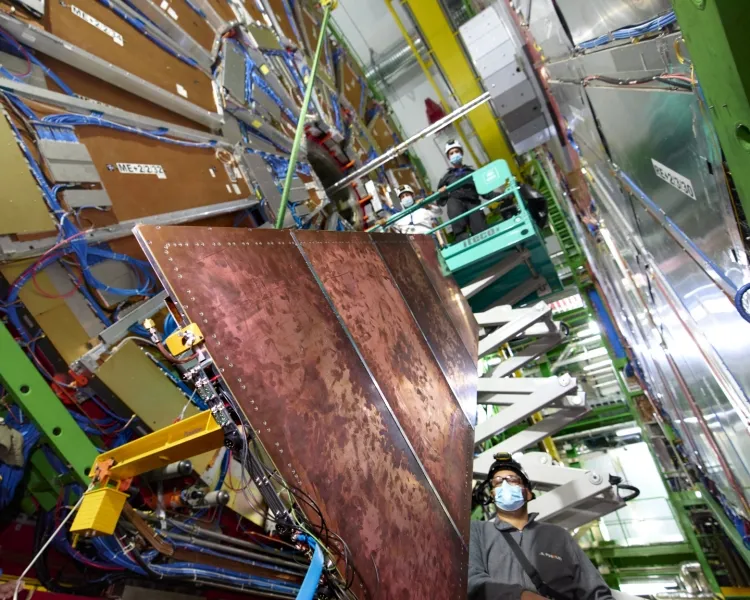
Demonstrating the capabilities of a new GEM
The Large Hadron Collider (LHC) has been providing particle collisions at larger and larger luminosities over the years, thanks to a series of upgrades.
-
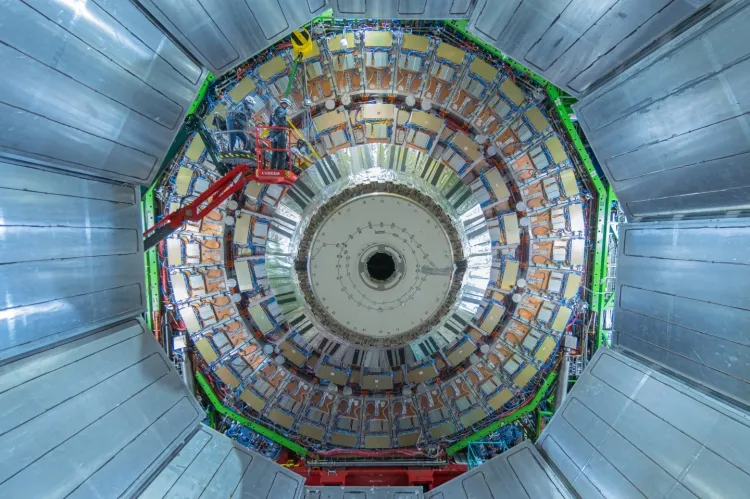
First GEM station (GE11) installed in CMS
Despite the rather challenging circumstances of the COVID-19 pandemic, the CMS GEM (Gas Electron Multiplier) team has been working against all odds to complete the installation of the very first GEM station (GE1/1) in CMS.
-
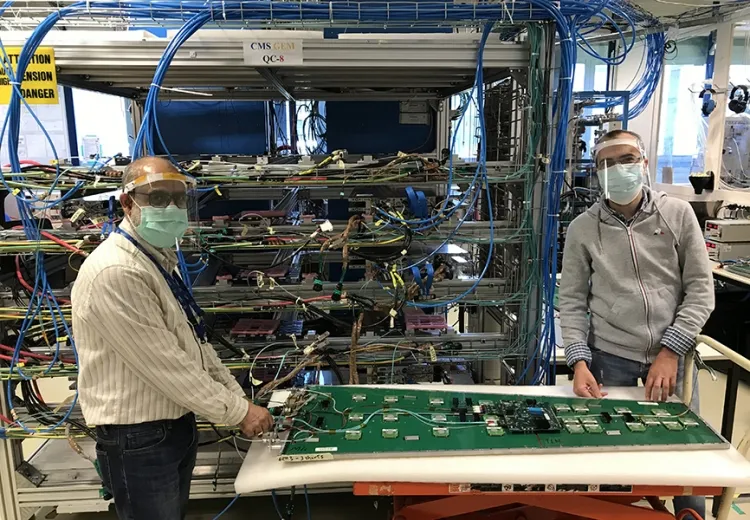
CMS GEMs Shine On!
Since late May, with the incremental re-opening of CERN’s facilities, members of the CMS GEM project have been hard at work restarting the laboratory activities in preparation for the continued efforts towards the GE1/1 chambers installation.
-
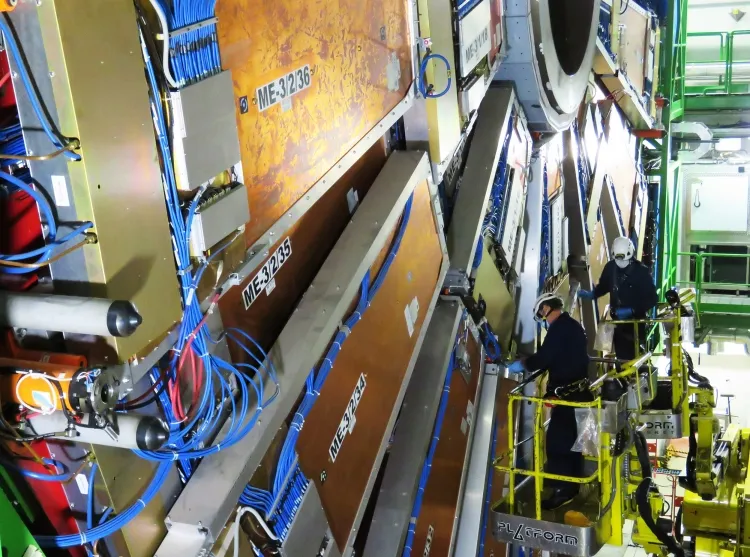
Upgrading the Cathode Strip Chambers electronics
The Compact Muon Solenoid (CMS) Muon System is undergoing major upgrades during Long Shutdown 2 (LS2), preparing for the High Luminosity LHC (HL-LHC).
-
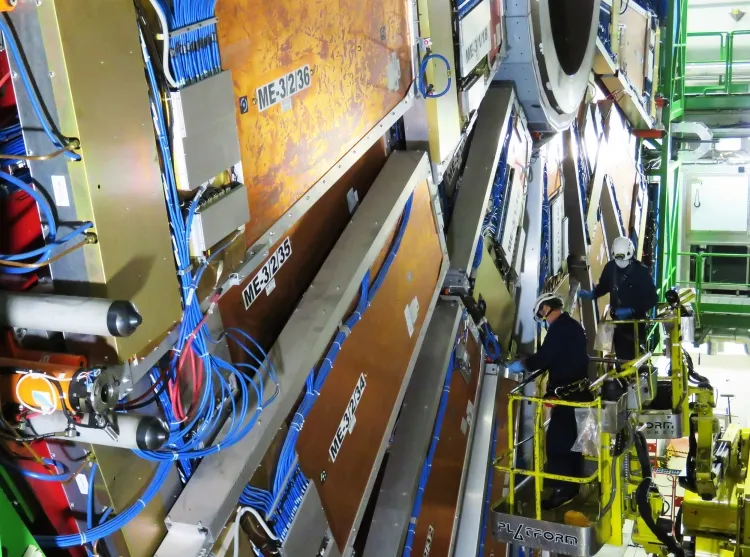
Upgrading the Cathode Strip Chambers electronics
The Compact Muon Solenoid (CMS) Muon System is undergoing major upgrades during Long Shutdown 2 (LS2), preparing for the High Luminosity LHC (HL-LHC).
-
Upgrading the Cathode Strip Chambers electronics
The Compact Muon Solenoid (CMS) Muon System is undergoing major upgrades during Long Shutdown 2 (LS2), preparing for the High Luminosity LHC (HL-LHC).
-
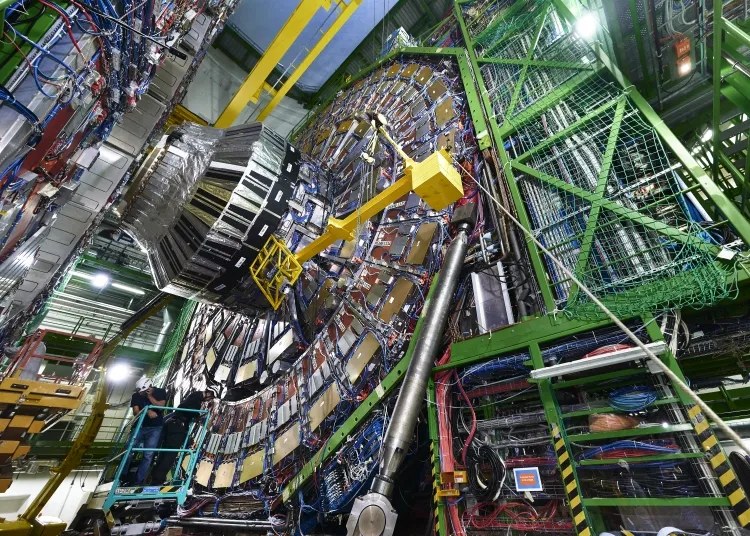
CMS Continues to Shine with New GEMs
On July 25th, 2019, the very first GEM superchambers were installed into the CMS YE- endcap as part of the newest CMS muon subsystem, GE1/1. And while this was a fantastic accomplishment worth celebrating, it was only the beginning of the story.
-
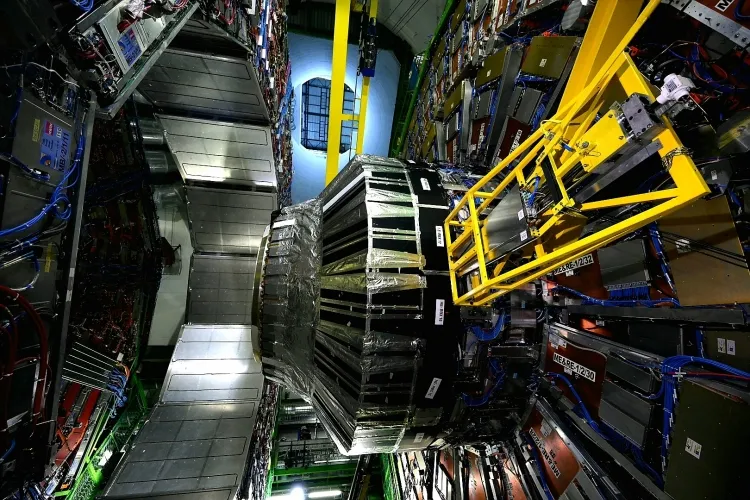
The start of something new
The CMS Gas Electron Multiplier (GEM) subsystem will form an extra layer of detectors, along with the Cathode Strip Chambers (CSC) layers, closest to the beam.
-
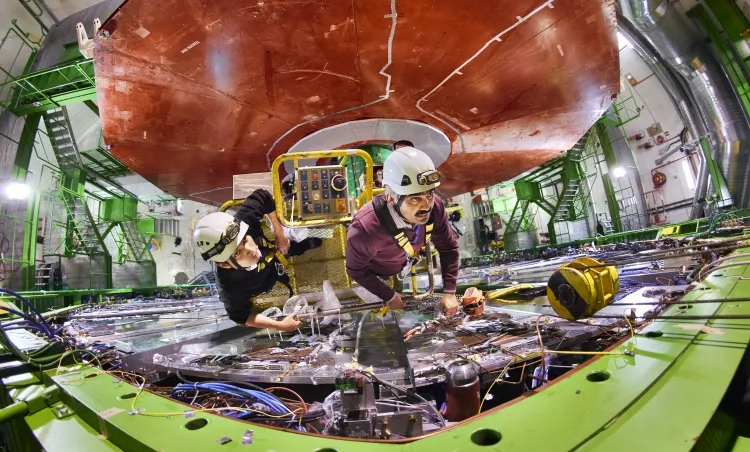
Resistive Plate Chambers are getting dolled up
After the LHC was shut down in December 2018 following the successful completion of RUN 2 operation, CMS is undergoing an intensive upgrade and maintenance program during the current two-year break (“Long Shutdown 2” or LS2) in order to ensure an excellent performance of the detector in the subsequent physics program.