
Tag: Standard Model
-
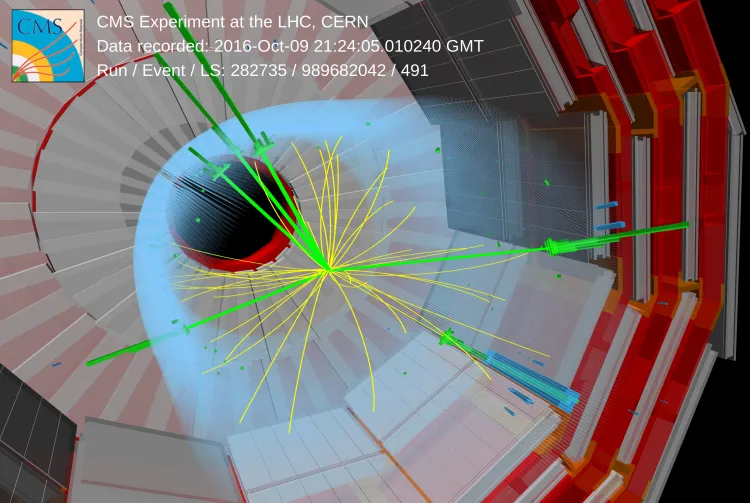
Triple Treat! CMS observes production of three massive vector bosons
The CMS collaboration has released the first observation of the simultaneous production of three W or Z bosons in proton-proton collisions at the Large Hadron Collider (LHC).
-
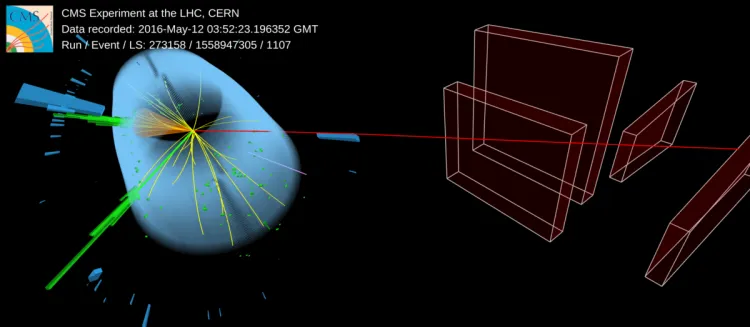
A close and complicated relationship: The top quark and the W boson intertwine
The CMS collaboration has examined for the first time the kinematic dependence of the production of a top quark and a W boson. This gives insight into the quantum interference of top quark production at the LHC and allows more accurate background predictions for searches for new particles.
-
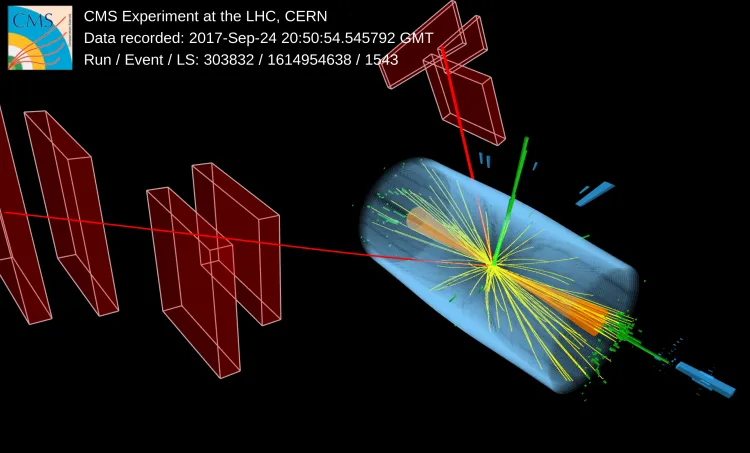
Probing the Standard Model with a boson-boson collider
To investigate when the Standard Model will start breaking down, the CMS Experiment looks at extremely rare collisions where the Large Hadron Collider is working as a boson-boson collider. This can teach us more about the nature of the Higgs boson and the possibility of new particles and forces at energies beyond directly reachable by…
-
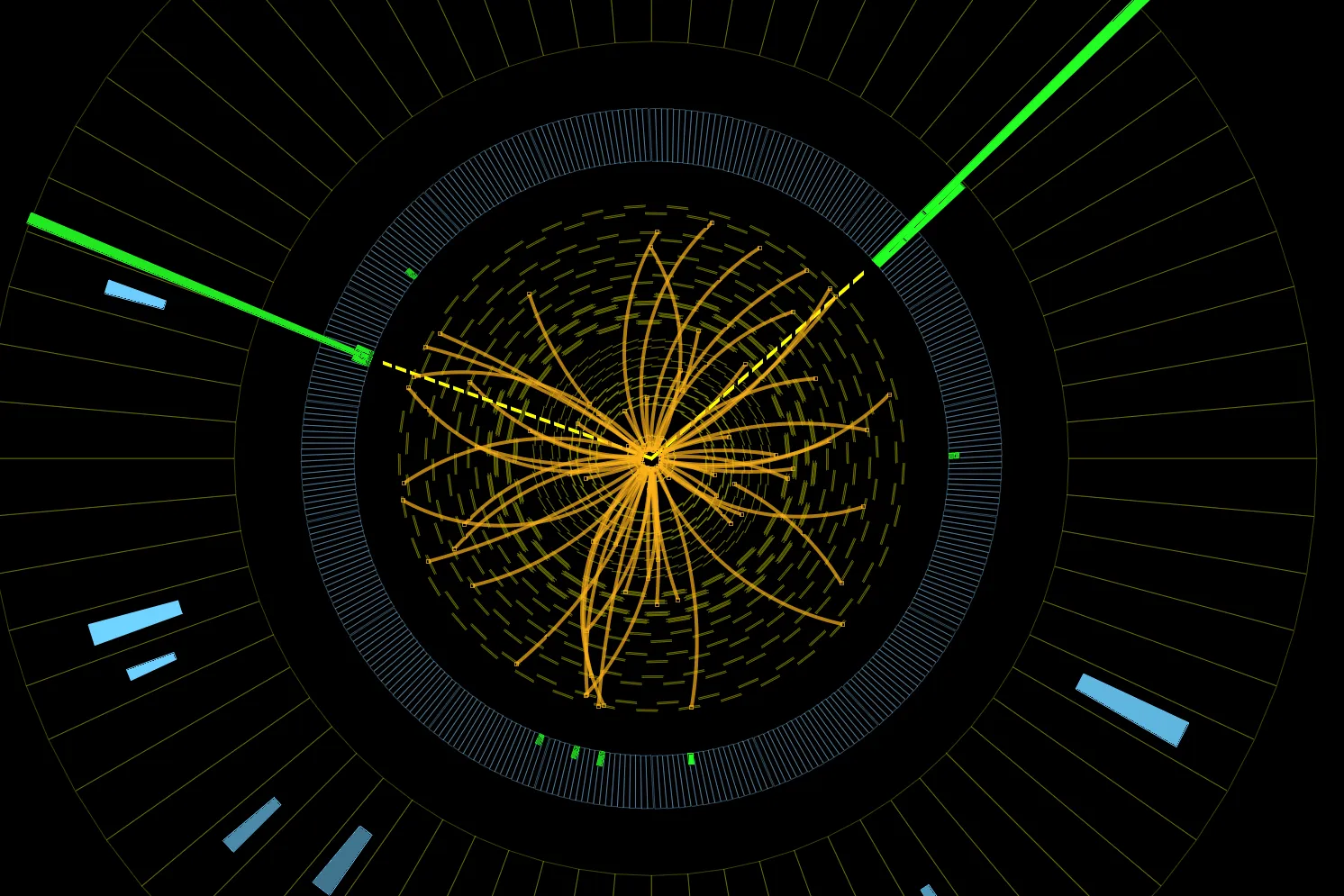
Highlights of CMS results presented at HCP
Kyoto, Japan on 12–16 November 2012
-
Physics Analysis Summaries for Moriond Conference (Electroweak)
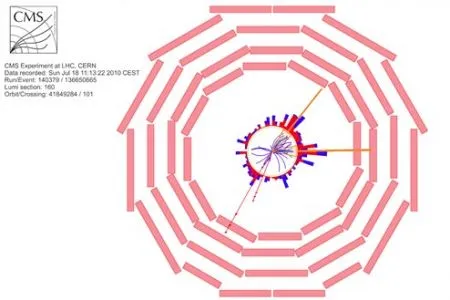
CMS has presented a rich variety of results at the Electroweak Interactions and Unified Theories sessions of the Rencontres de Moriond conference in La Thuile, Italy.
-
New CMS management
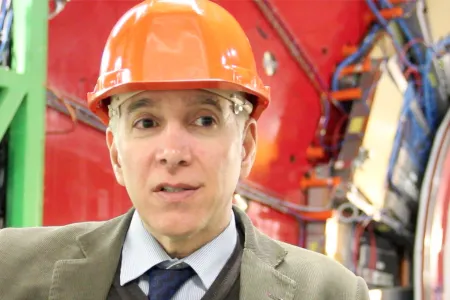
Joe Incandela — CMS Spokesperson Joe Incandela is a professor of Physics at the University of California, Santa Barbara (UCSB).
-
What do we already know?
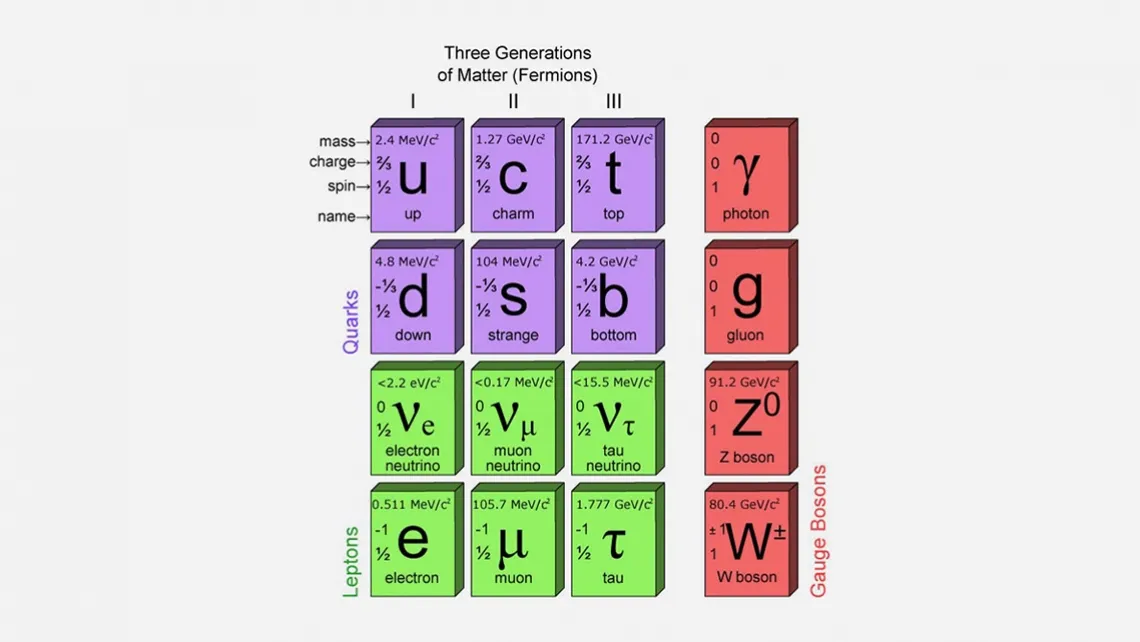
The standard package The theories and discoveries of thousands of physicists over the past century have resulted in a remarkable insight into the fundamental structure of matter: everything that has been directly observed in the Universe until now has been found to be made from twelve basic building blocks called fundamental particles, governed by four…
-
Lepton fizz – search for excited leptons
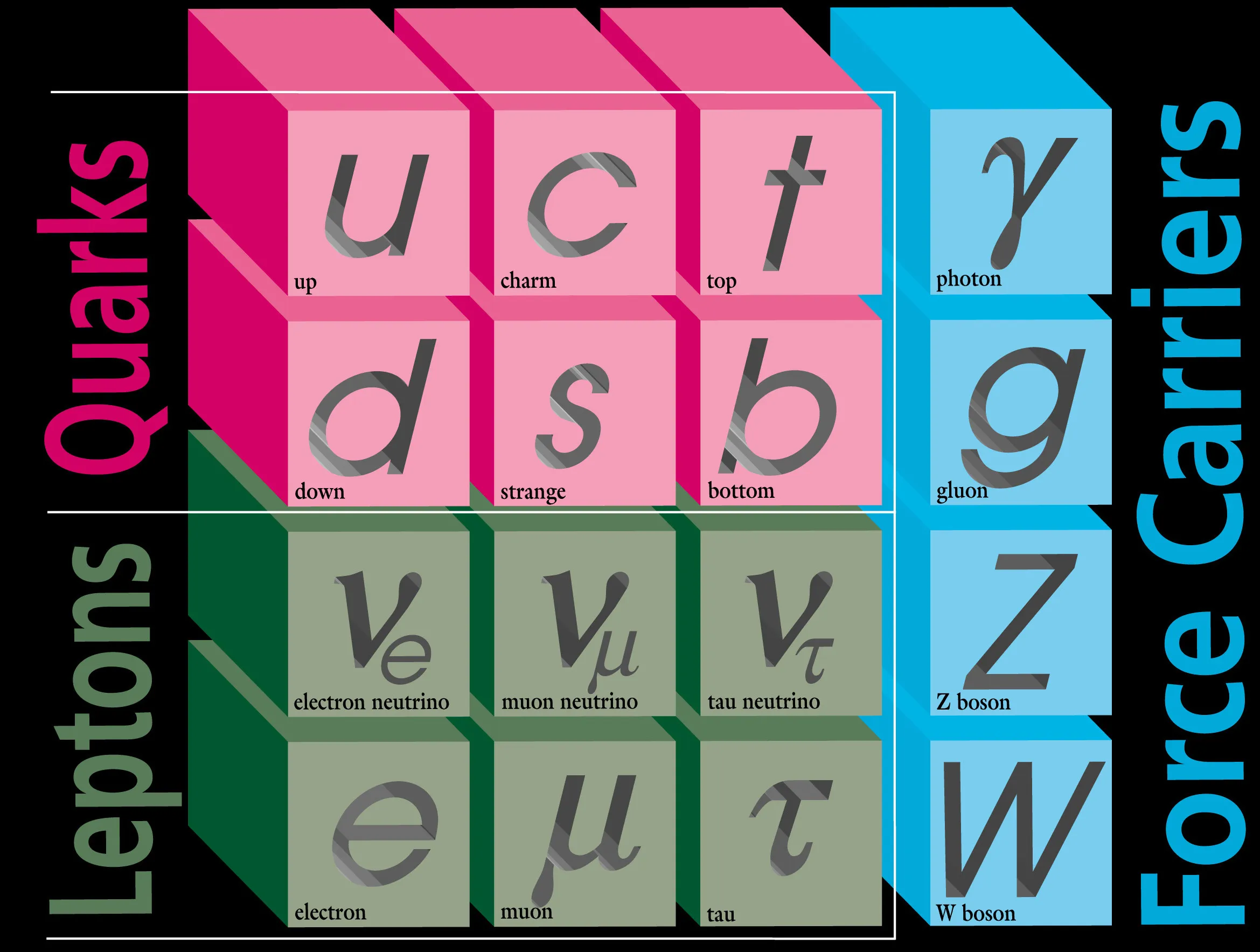
Grab a can of soda, shake it thoroughly, and open it up.