
Category: Article
-
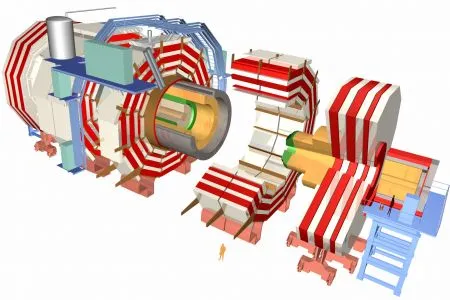
Upgrades workshop envisions the future of CMS experiments
On 30th October, scientists at CERN switched off the proton beams for the Large Hadron Collider.
-
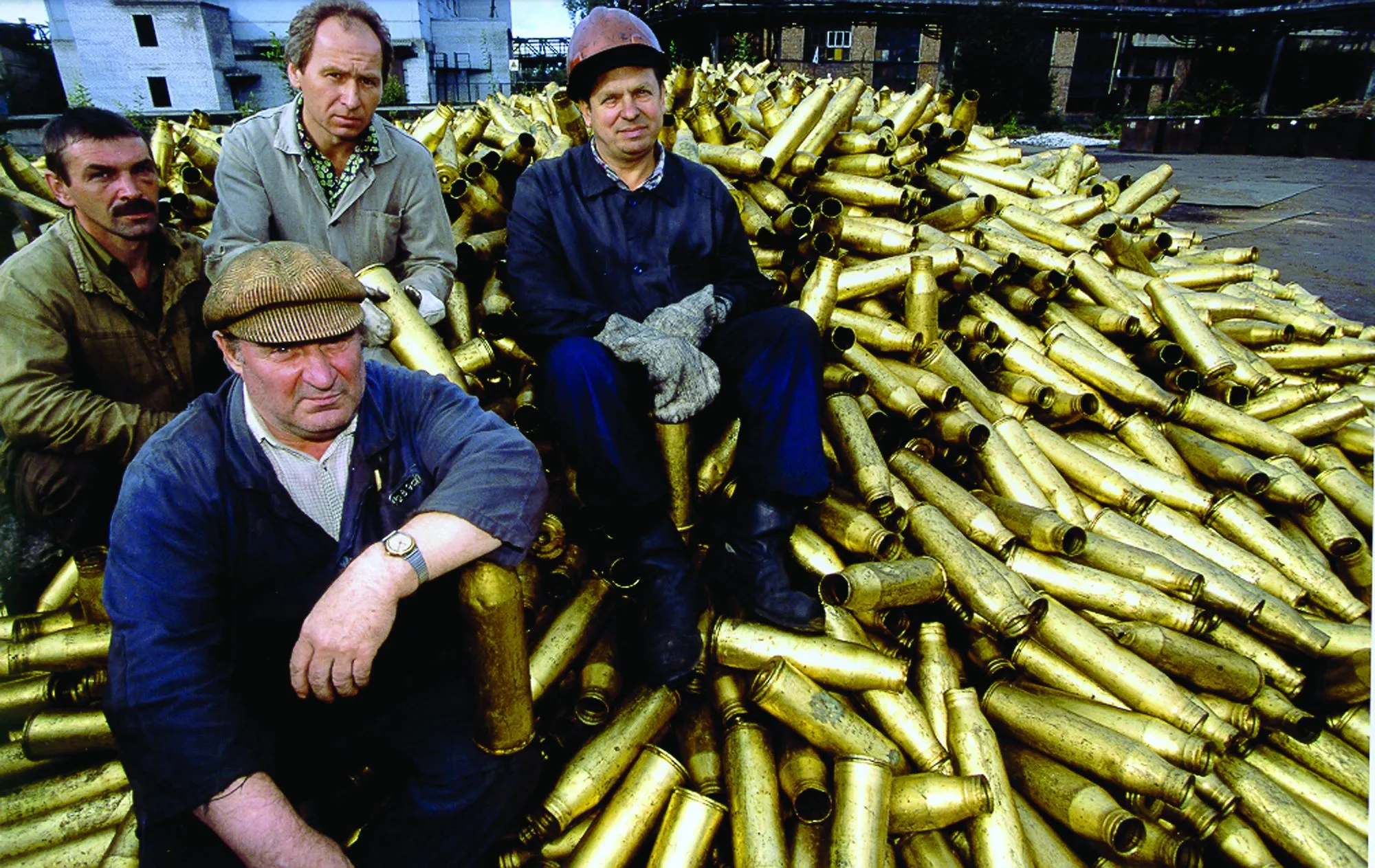
Using Russian navy shells
Constructing the endcap HCAL (HE) was the responsibility of the Russian and Dubna (RDMS) groups.
-
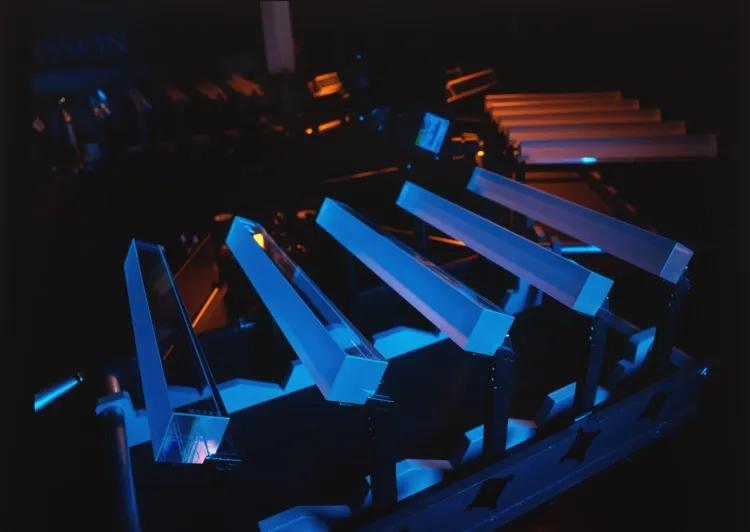
The crystal story
A crystal’s journey from creation to its place within the CMS electromagnetic calorimeter is an arduous one: its trials include travelling thousands of miles, being sawed and polished, as well as being heated to 1,165oC and cooled to 18oC.
-
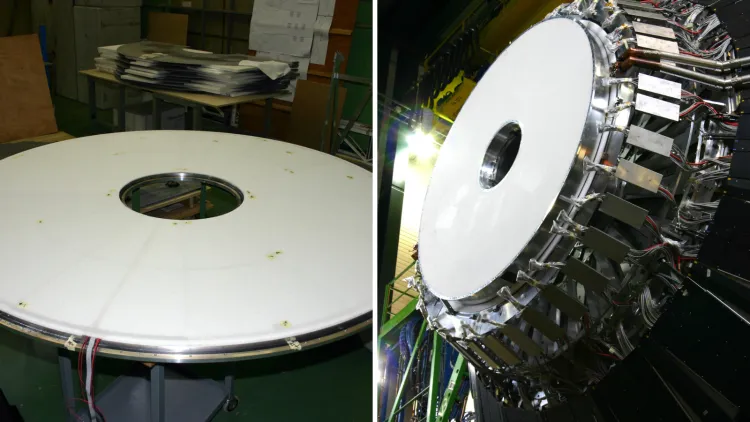
ECAL Preshower
One way the Higgs boson might decay is into high-energy photons and detecting them is one of the ECAL’s primary functions.
-
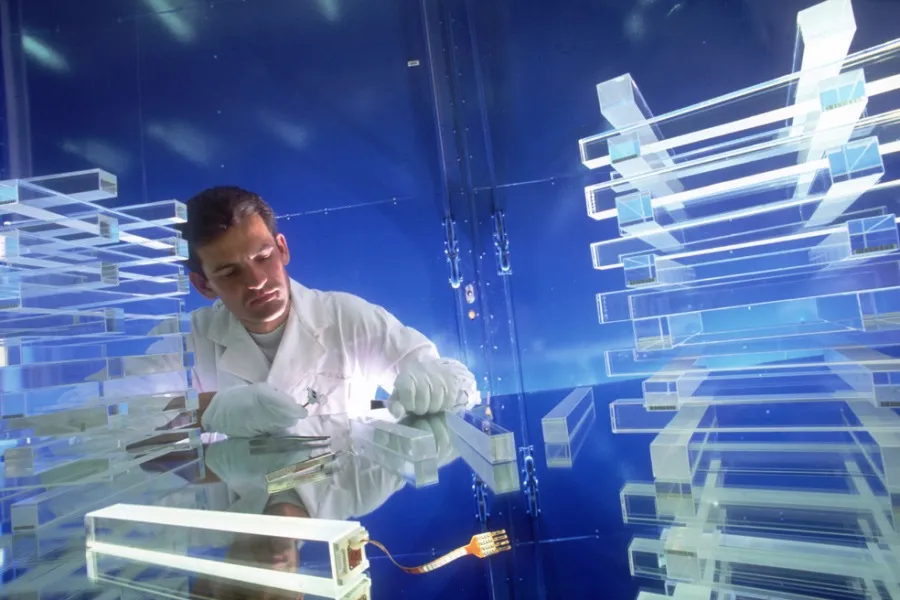
Crystal Calorimeter
CMS uses lead tungstate (PbWO4) for the almost 80,000 crystals: a material with high density that produces scintillation light in fast, small, well-defined photon showers.
-
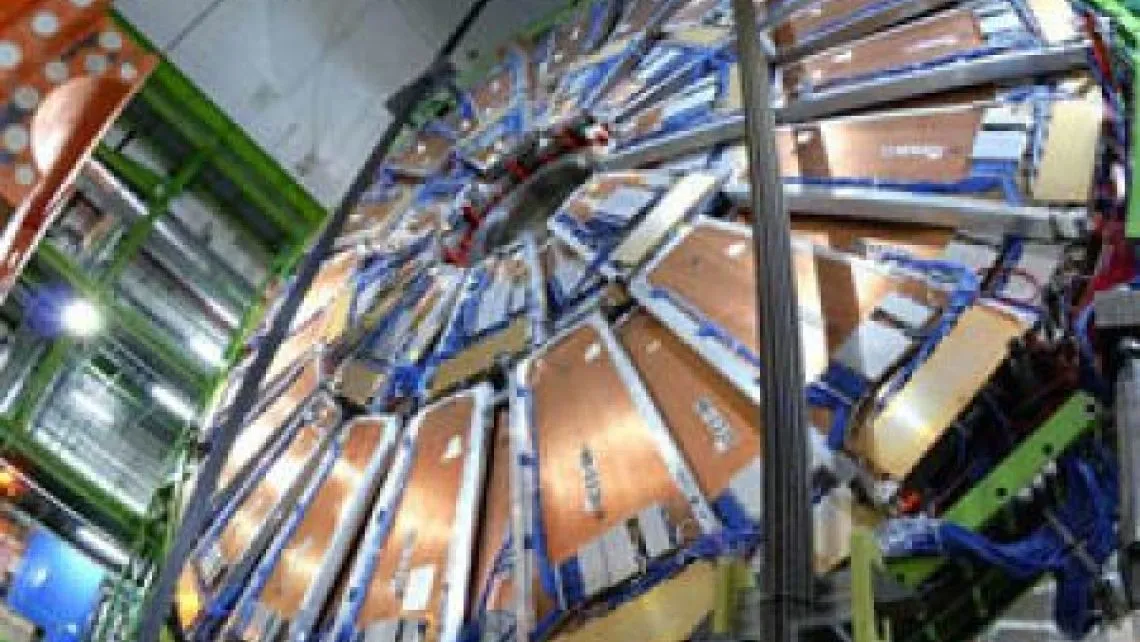
Why is CMS so big?
It may seem strange that to record the Universe’s tiniest constituents we need the world’s most powerful machines and detectors.
-
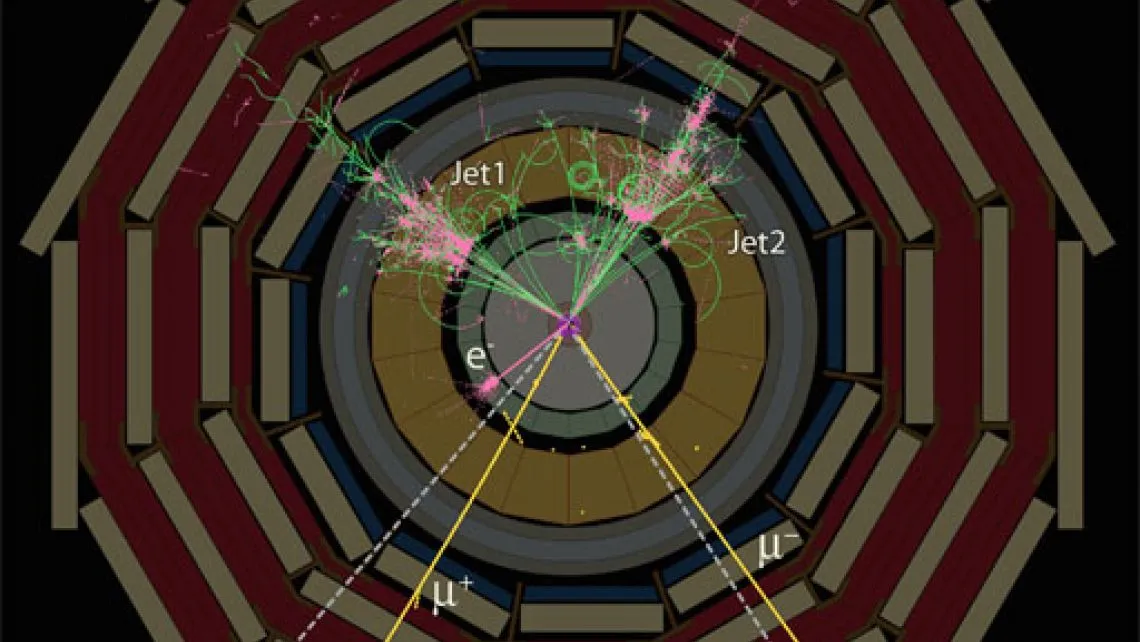
How CMS detects particles
Each particle that emerges from an LHC collision is like a piece of a puzzle, with some of these pieces breaking up further as they travel away from the collision.