
Category: Article
-
CMS at Moriond 2025
The CMS Collaboration announces 50 new results for Moriond 2025. In Higgs physics, following a comprehensive research program aimed at characterizing the Higgs boson by measuring its properties and interactions across various decay and production channels, CMS has performed an extensive combination of these measurements.
-
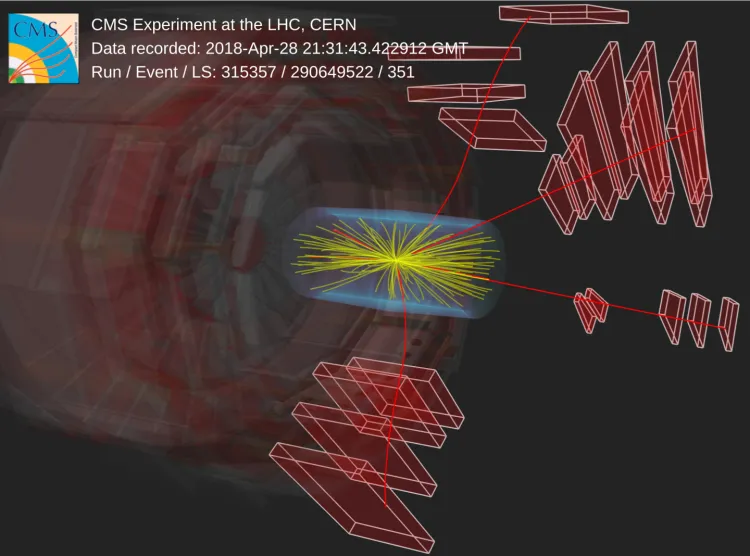
Peeking inside the proton: the story of Z+ϒ
CMS discovers associated production of a Z boson and an ϒ meson.
-
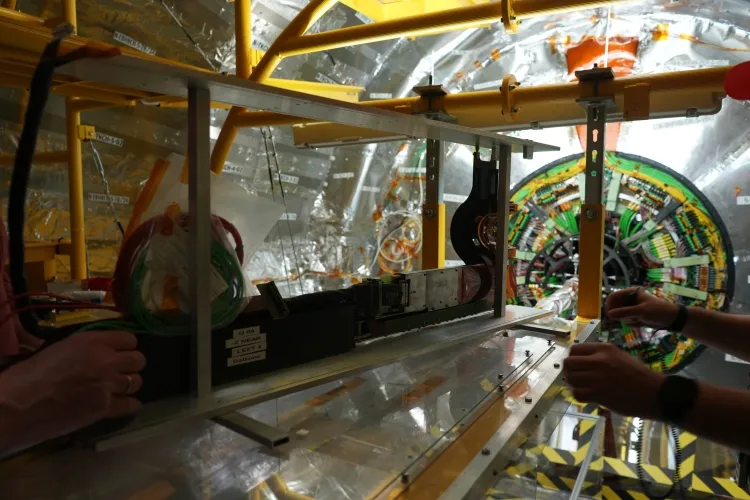
Shiny new luminosity and beam conditions instrumentation for CMS
New BRIL subsystems illuminate CMS’s path through Run 3 After many months of meticulous preparations, new BRIL subsystems were installed in mid-January.
-
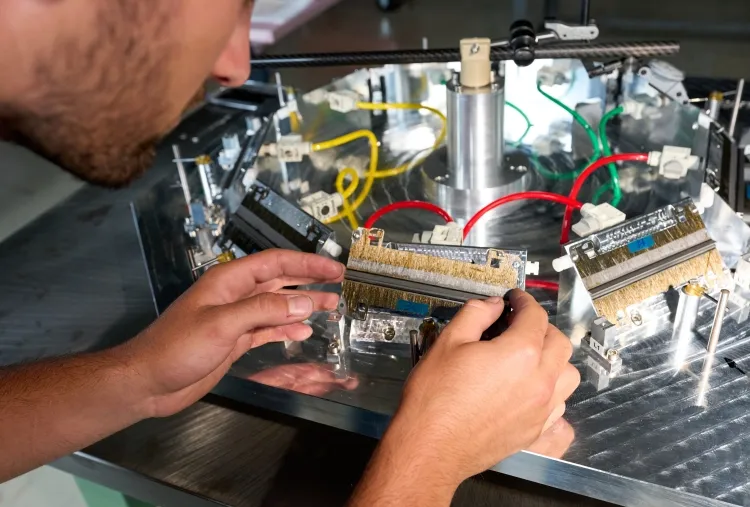
First Tracker Support Structures, TBPS Rings, in production for Hi-Lumi CMS!
The TBPS Rings are in production, offering an innovative design to incline sensors toward the LHC beam and maximise coverage.
-
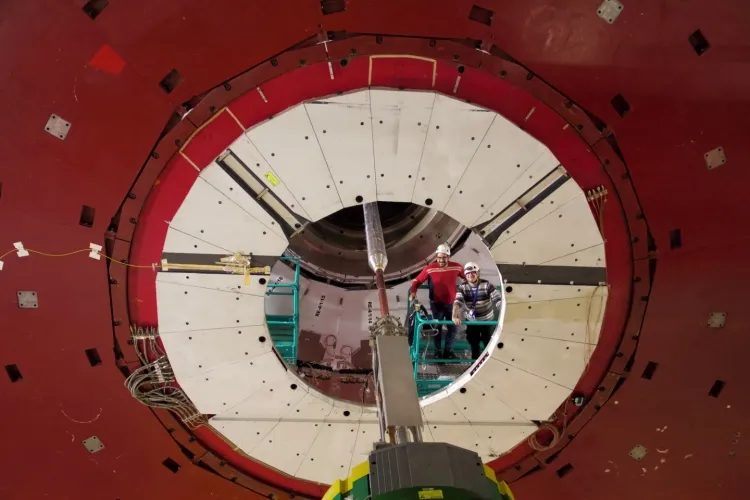
Hi-Lumi iRPC Muon chambers installed in CMS in record time!
The first of the improved Resistive Plate Chambers for Hi-Lumi CMS were installed in record time during the LHC winter break.
-
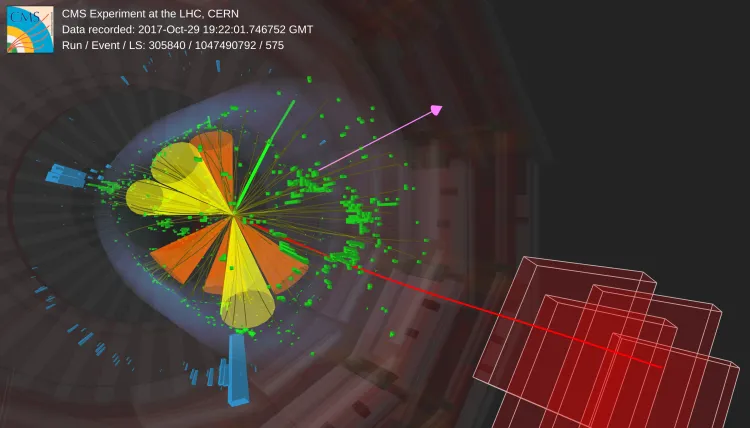
The Higgs boson with toppings
The Higgs boson is deeply connected to the mechanism that generates the masses of elementary particles.
-
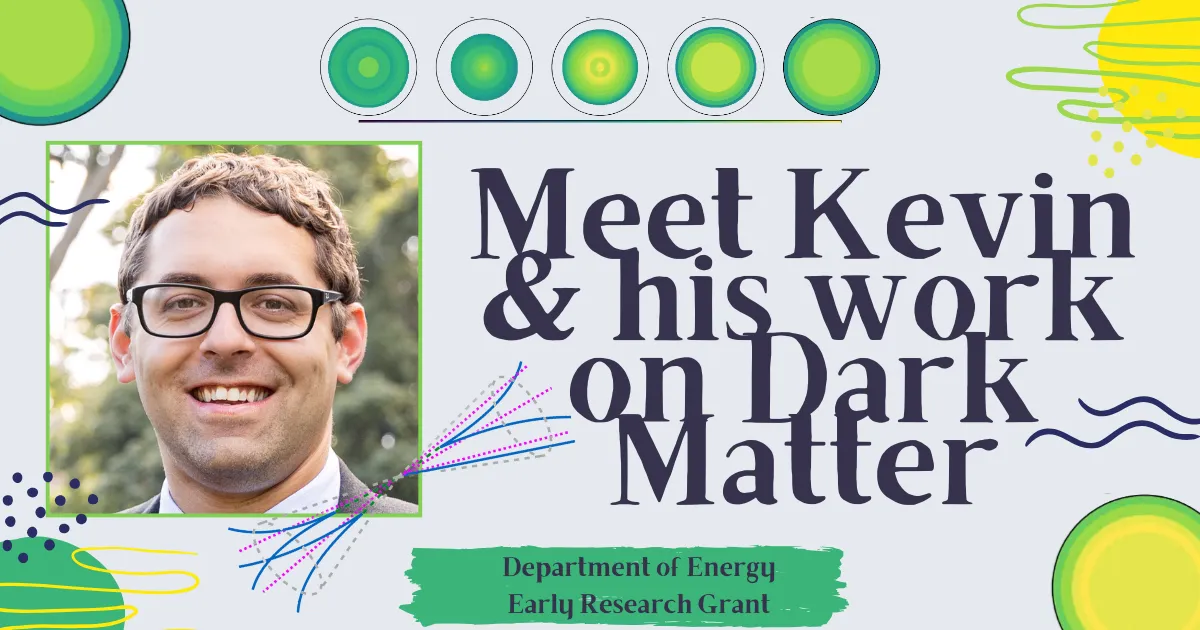
Winner of Department of Energy Early Career Grant – meet Kevin Pedro and his work on dark matter research
Kevin sits down to tell us about the work this new grant will allow him to investigate
-
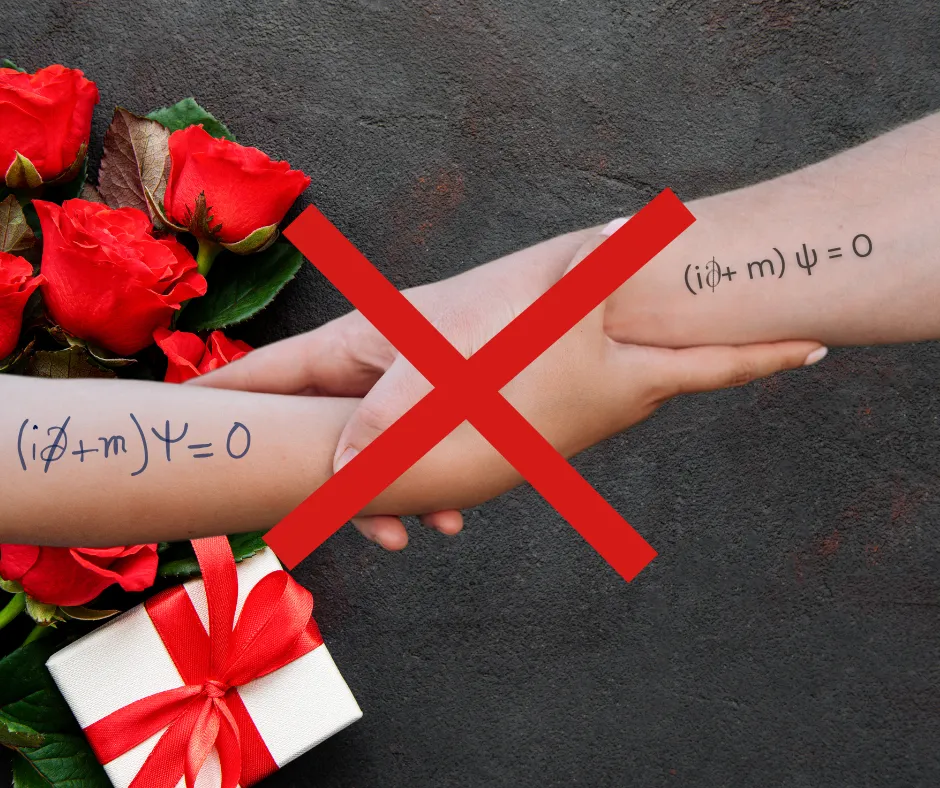
Entangled Valentines
The truth behind the viral Dirac equation…
-
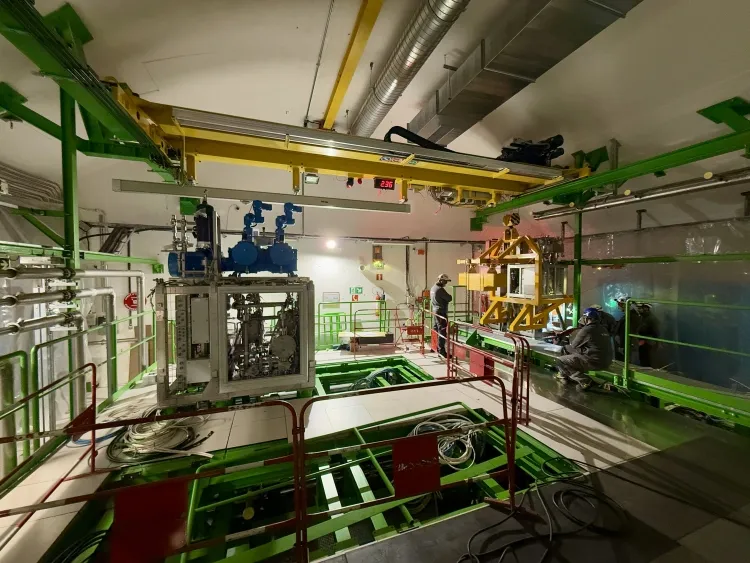
Installation of Next-Generation CO2 Cooling System for Hi-Lumi CMS
CERN and CMS engineers and technicians have installed the first two of nine required next-generation carbon dioxide (CO2) cooling plants in the underground Service Cavern of the CMS experiment in Cessy, France, as well as two of the accumulators.
-
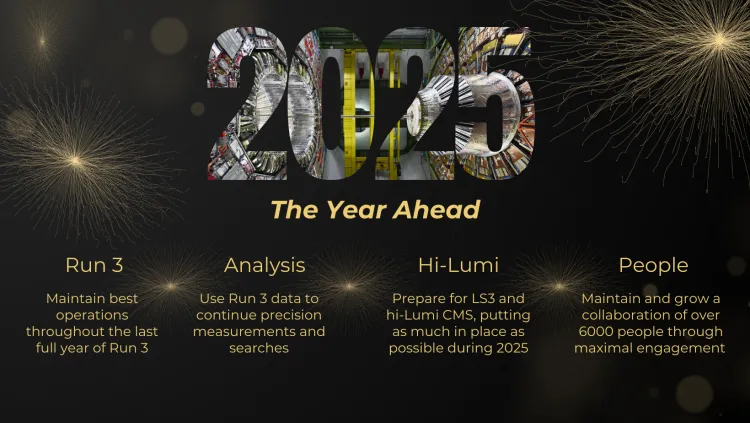
What does 2025 hold for CMS?
2024 was an impressive year: the most data ever collected by CMS, many important results including two landmark results (W boson mass and top entanglement), milestone for the upcoming Hi-Lumi CMS detector reached, and ever more innovations pushing the frontiers of how we explore physics.