
Category: Article
-
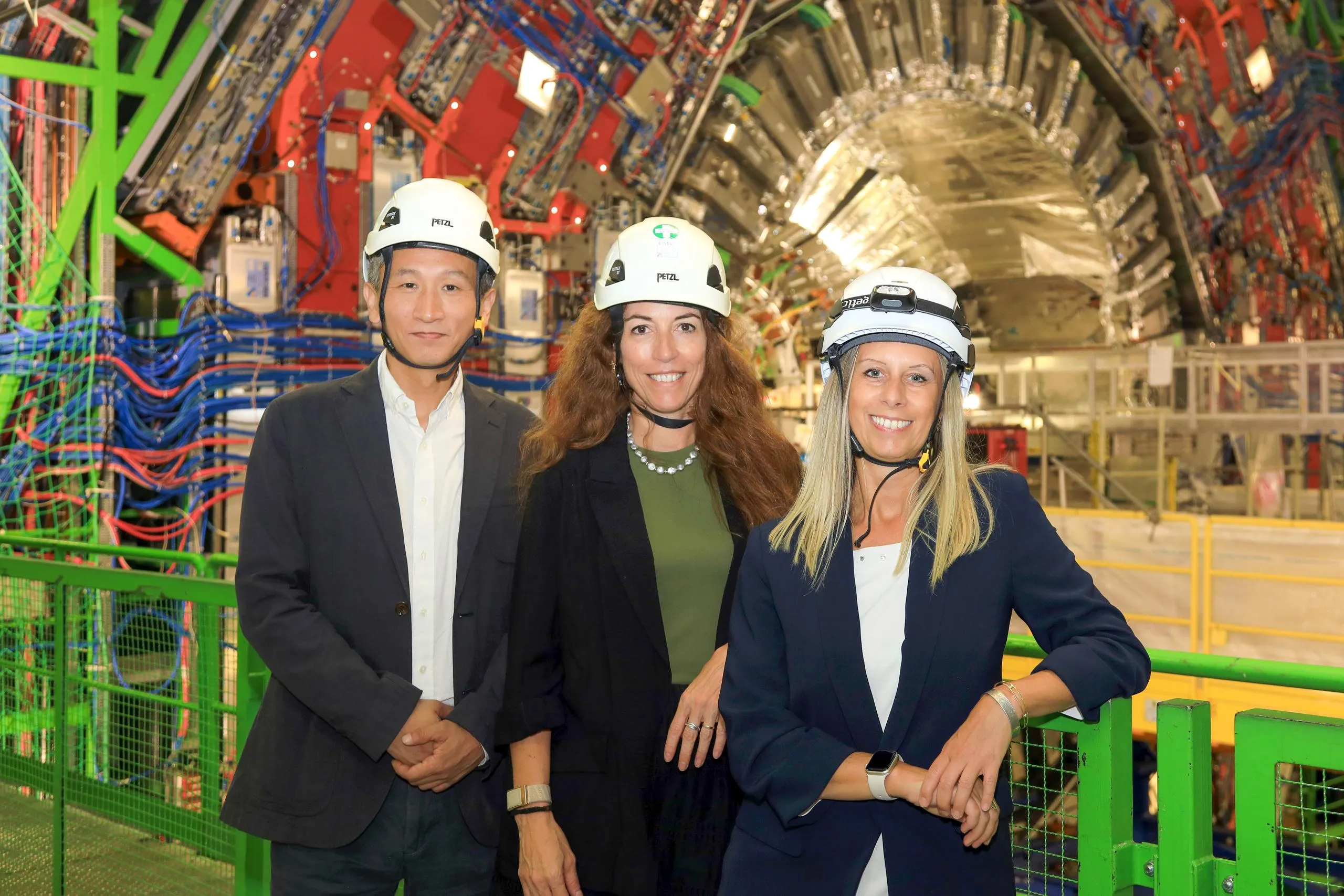
CMS Welcomes New Deputy Spokesperson for 2026-2028
Tae-Jeong Kim has joined Florencia Canelli as Deputy Spokesperson, working with Anadi Canepa as Spokesperon for the CMS Collaboration for 2026-2028. Now with over 6000 people, CMS remains one of the world’s largest scientific collaborations.
-
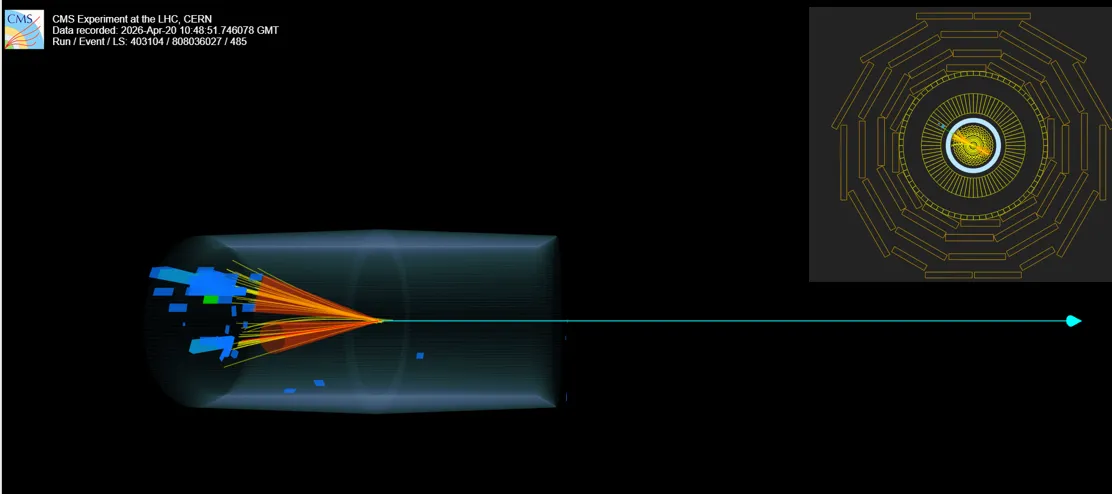
A needle in the pileup: CMS revives diffractive physics with tagged protons
For the first time at the LHC, W and Z bosons and TeV-scale jets are seen alongside a proton that survived the collision intact, reopening a chapter of forward physics that high pileup had closed.
-
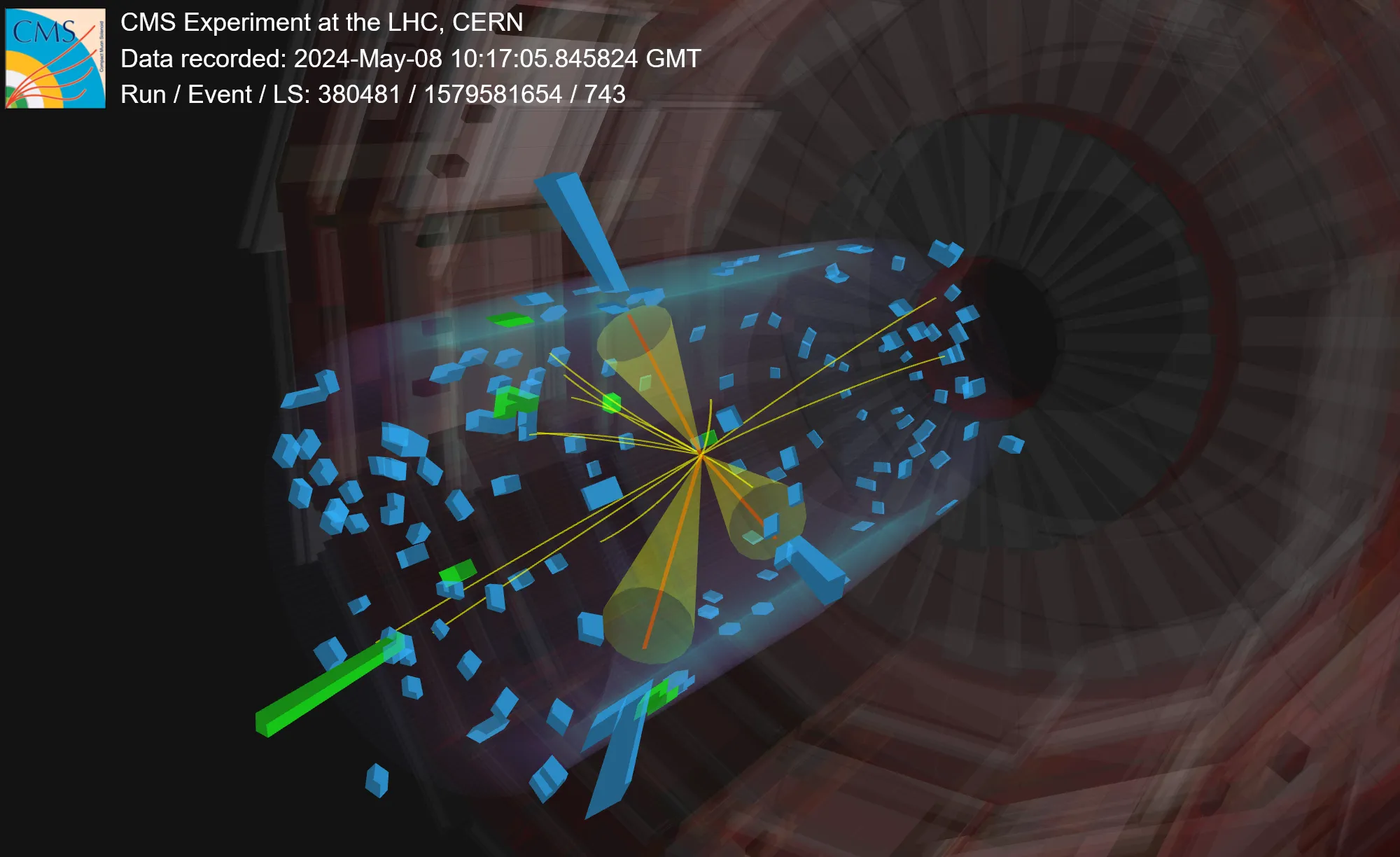
The W boson’s simplest decay into hadrons
The CMS experiment utilises proton–proton collision data collected between 2016 and 2026 to search for rare decays of the W boson into three charged hadrons.
-

How to catch subatomic particles wakeboarding in the universe’s most perfect liquid
The hottest, densest, and most perfect fluid in the universe has a behaviour surprisingly similar to water rippling around a speedboat.
-
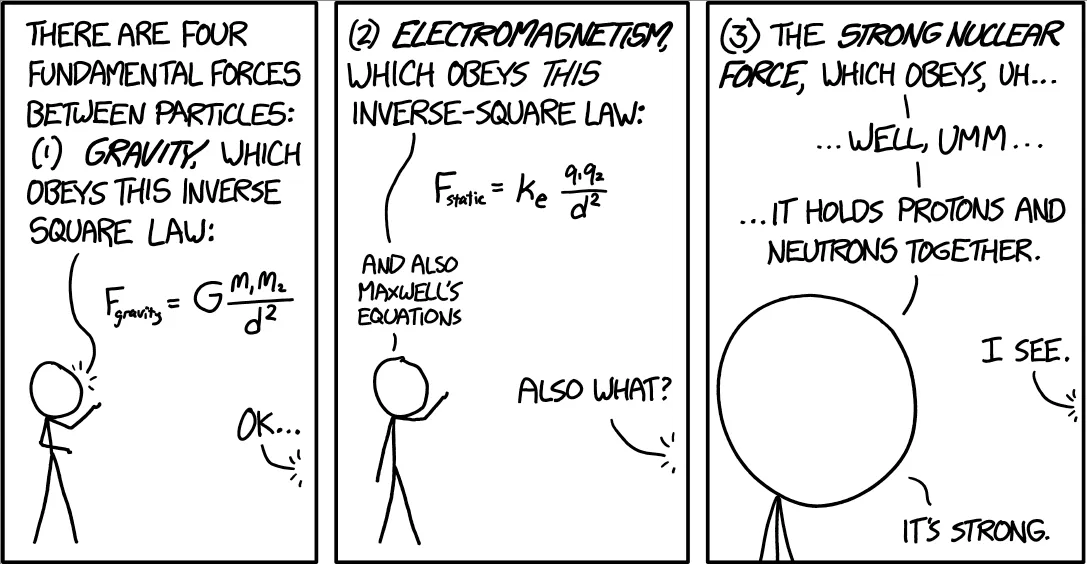
Four gets you more: understanding the strong force with four-way energy correlations
The strong nuclear force is the most mysterious of the four fundamental forces of nature.
-

CMS at the 2026 Colour Run, Cessy
On Sunday, May 31, CMS participated in the 5th edition of the Color Run in Cessy, France.
-
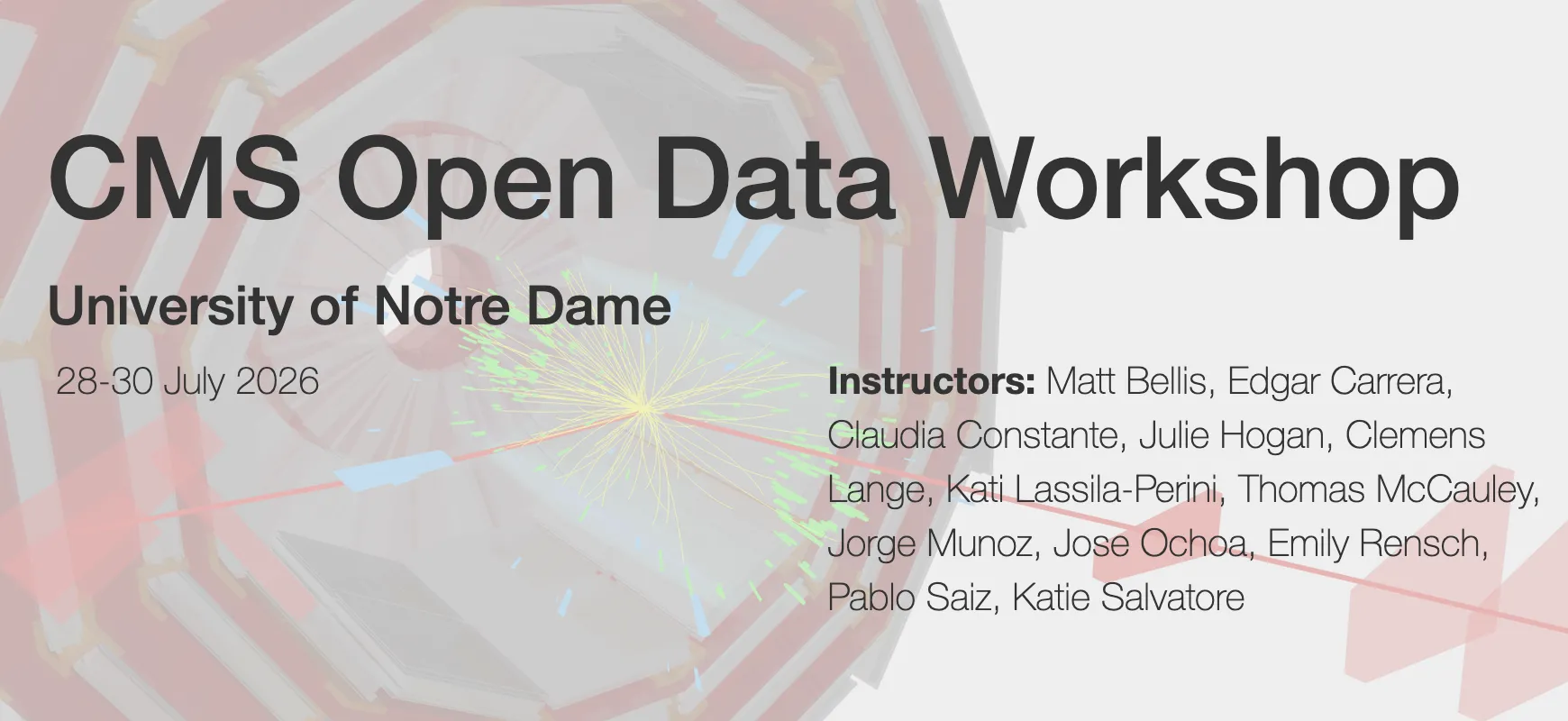
Educators Take the Lead: CMS Holds First Open Data Workshop Focused on Teaching
The seventh CMS Open Data Workshop brought educators to Notre Dame to build teaching materials from real LHC data.
-
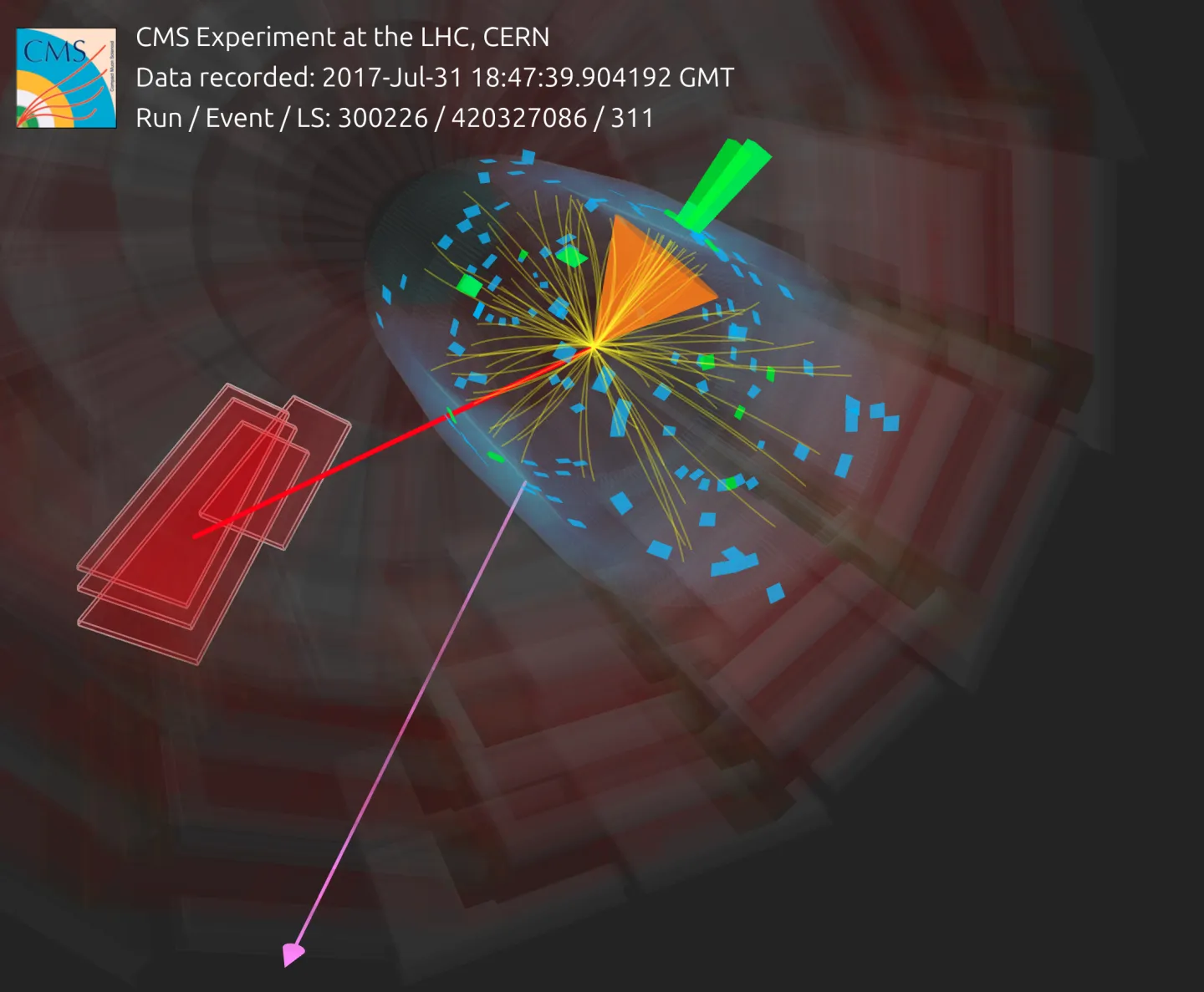
In search of unknown forces: Do W and Z boson pairs reveal new interactions?
CMS sets the world’s most stringent constraints on anomalous interactions between the bosons that carry the electroweak force.
-
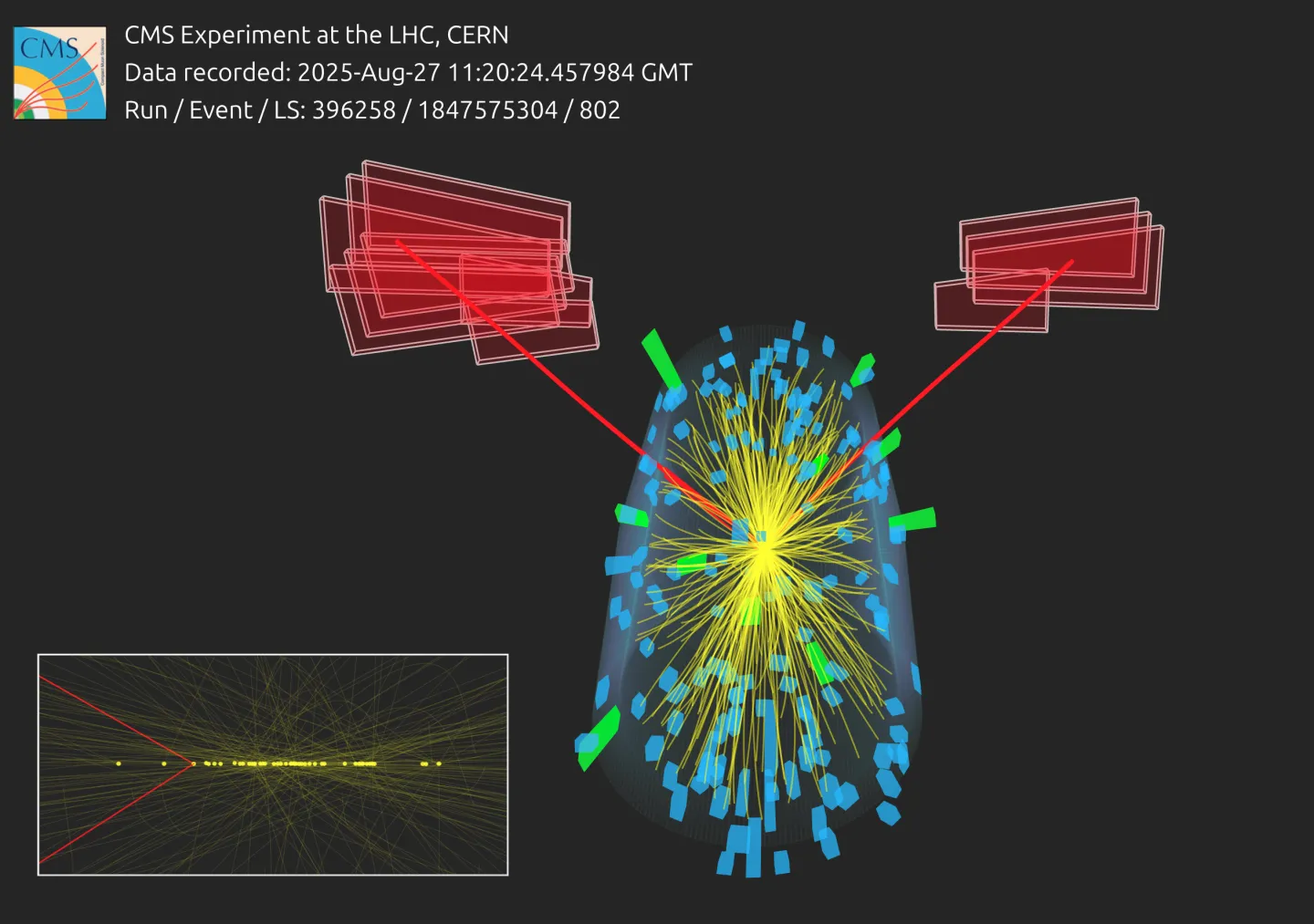
Lepton–lepton scattering in proton–proton collisions
The CMS experiment uses data collected between 2016 and 2026 to observe, for the first time, leptons (electrons and muons) emitted from protons scattering off one another.
-
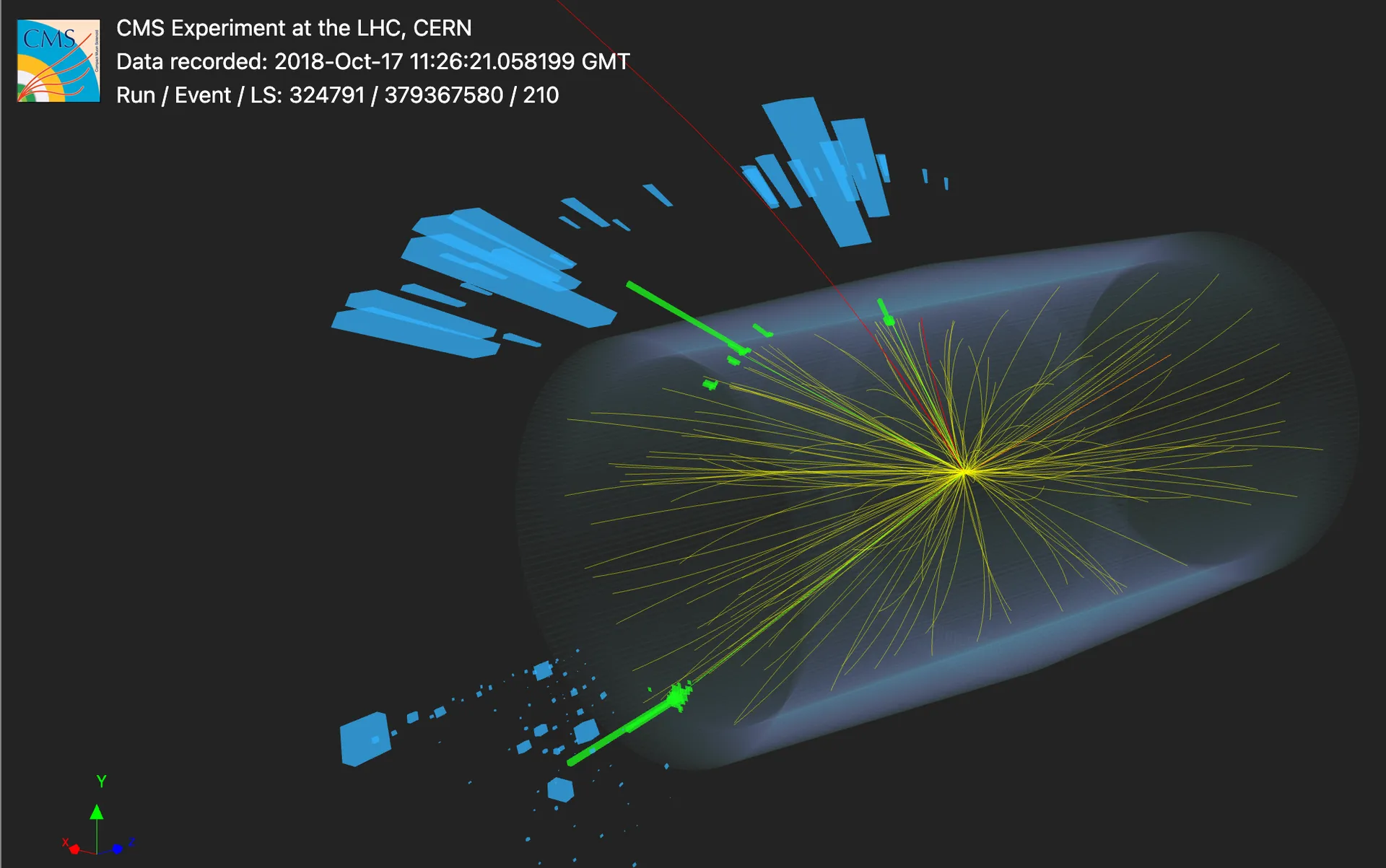
Hunting for a Hidden Side of the Higgs
A new boosted jet technique, powered by machine learning, gives CMS its most sensitive search for Higgs bosons breaking apart into never-before-seen particles.