
Category: Article
-
CMS at Hard Probes 2026
The CMS Collaboration announces several new results for the Hard Probes 2026 conference.
-

Out with the old
Data taking at the LHC recently ended, and we now begin a period of several years of upgrades to the detector and trigger system.
-
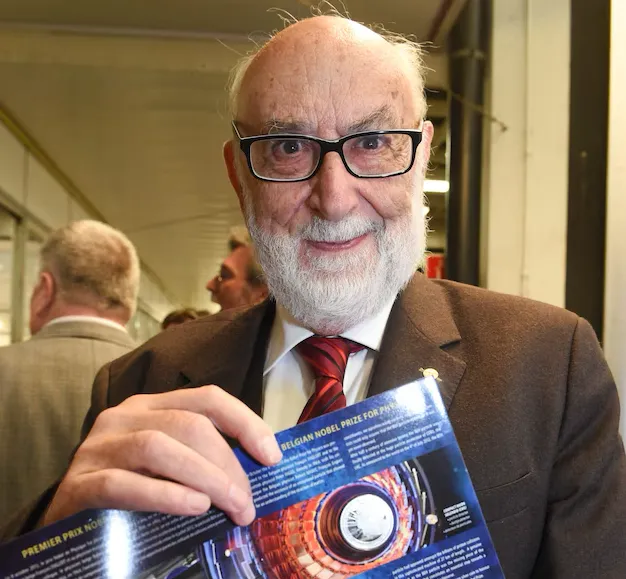
The CMS Collaboration remembers François Englert
The worldwide CMS Collaboration is deeply saddened by the passing of Belgian theoretical physicist François Englert at the age of 93. Together with his colleague Robert Brout, and independently of British physicist Peter Higgs, Englert’s pioneering work led to an understanding of the mechanism that explains how elementary particles acquire mass.
-
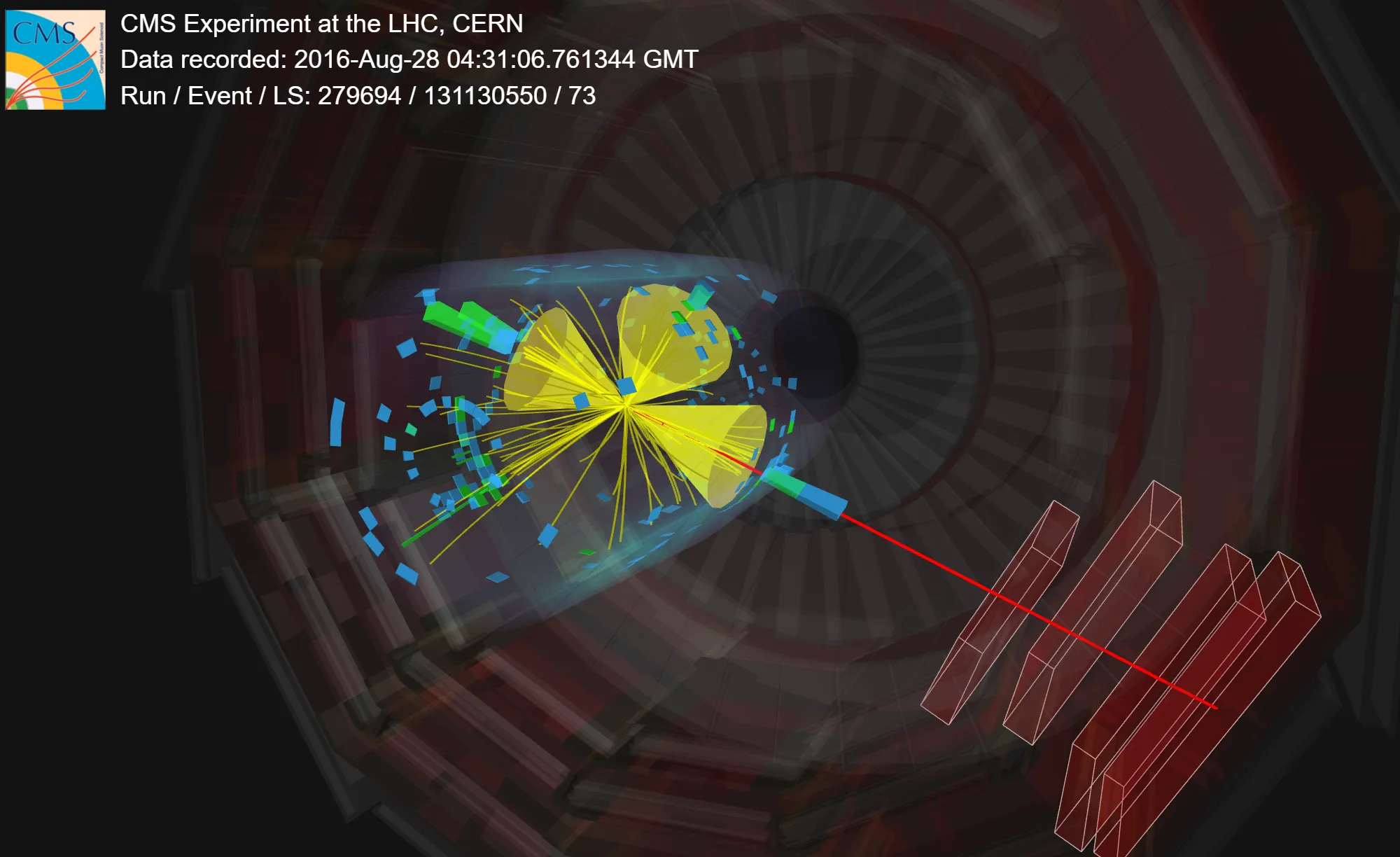
Looking for new physics at the multiboson frontier
The CMS experiment presents a novel search for new physics by studying collisions that produce three W or Z bosons.
-
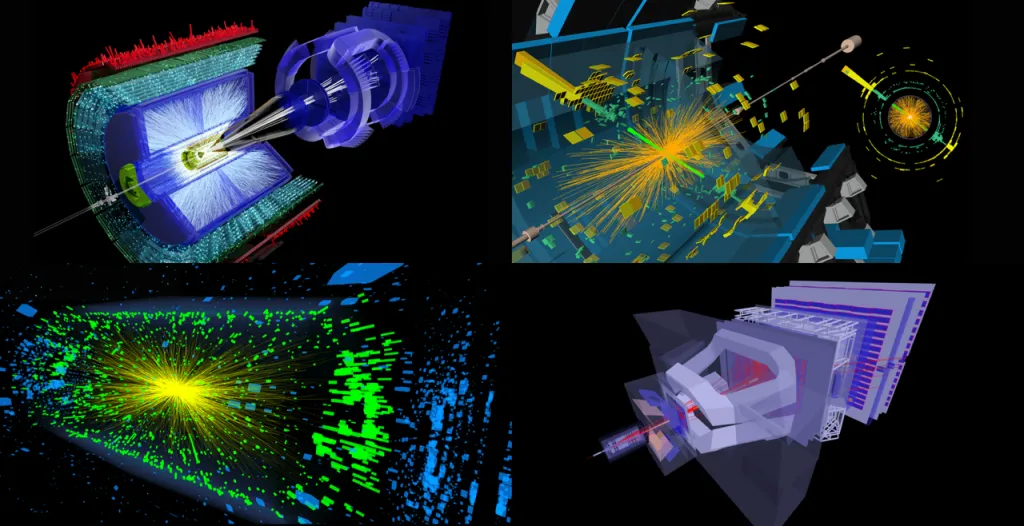
Final collisions, new horizons
This article first appeared on the CERN website here: https://home.cern/final-collisions-new-horizons/ After 12 years in operation, a record amount of data and thousands of scientific results, the LHC is taking a break.
-
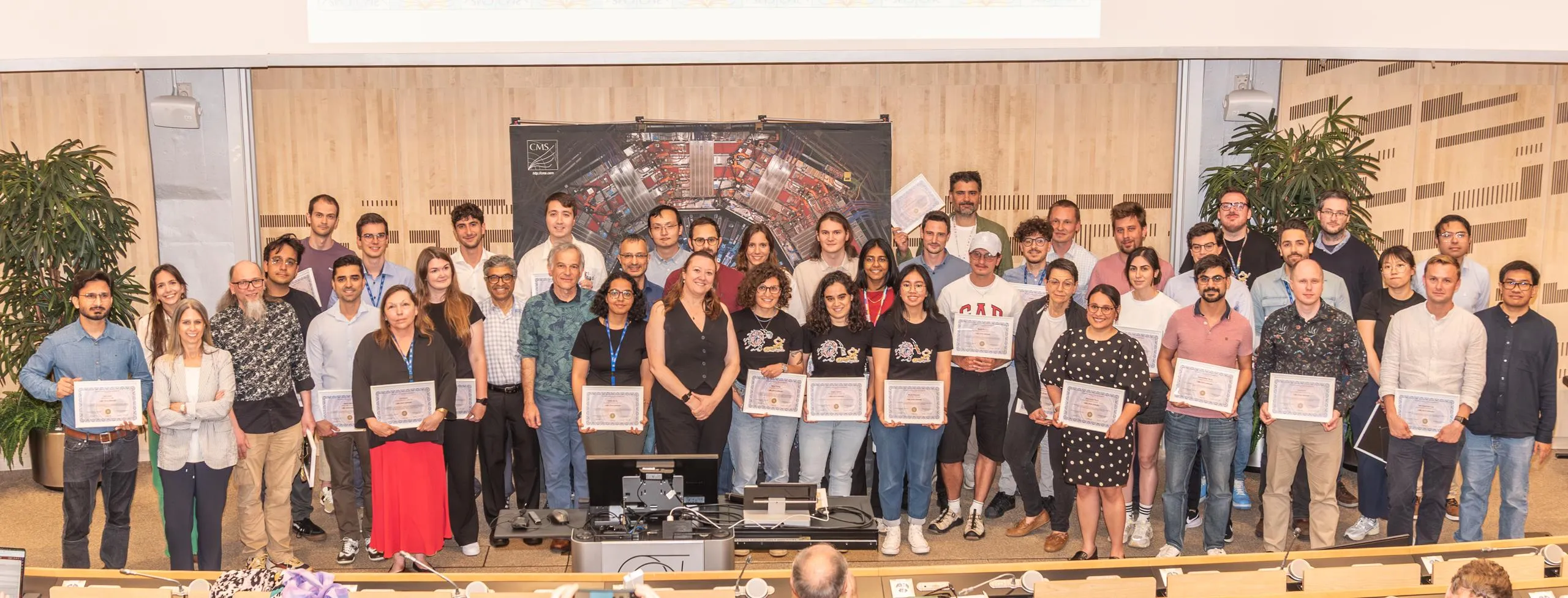
CMS Awards 2025
The CMS Collaboration congratulates individuals who have made significant contributions across the experiment by offering a CMS Award.
-
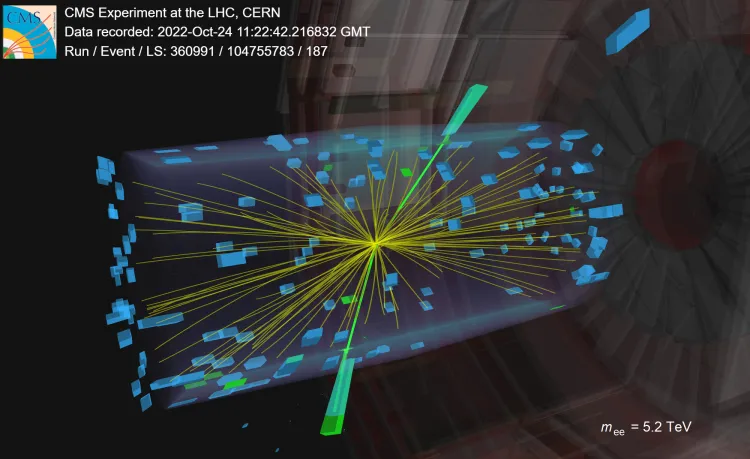
Hunting heavy particles through high-mass pairs of electrons or muons
CMS observes rare collisions that produce pairs of electrons or muons with the highest combined invariant mass ever recorded, extending the search for undiscovered heavy particles.
-
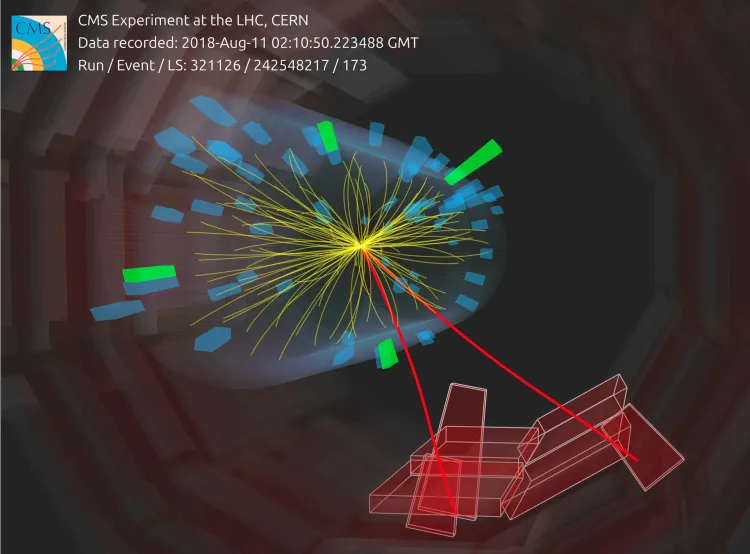
Estranged siblings? Observed meson decays are compatible with one bottomonium state, but without any hint of its partner
The CMS experiment reports the observation of a peaking structure in the Υ(1S)ϕ(1020) channel in proton-proton collisions at 13 TeV.
-
CMS AT LHCP 2026
The CMS Collaboration announces several new results for LHCP 2026. Among the highlights are four new results including 2025 data, and two comprehensive performance papers.
-
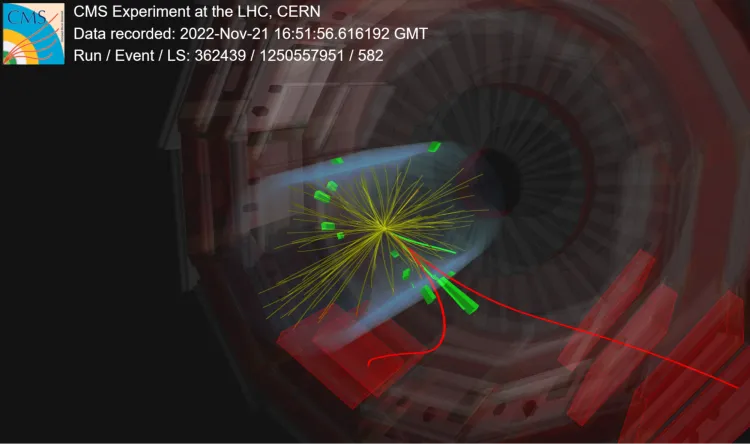
Light mesons with a heavy impact
The CMS experiment reports the first observation of the rare decay of an eta meson to two muons and two electrons.