Pushing the limits: rare four-muon decays of B mesons
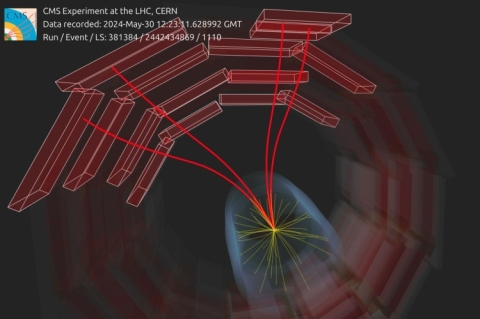
CMS sets the world’s most stringent limits on B⁰ and B⁰ₛ decays into four muons.

CMS sets the world’s most stringent limits on B⁰ and B⁰ₛ decays into four muons.
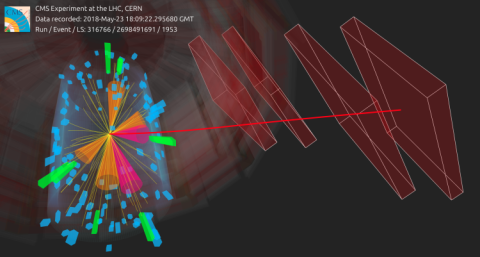
Could there be more particles like the Higgs boson? For the first time, the CMS experiment has searched for the decay of the Higgs boson into two more Higgs-boson-like particles with unequal masses.
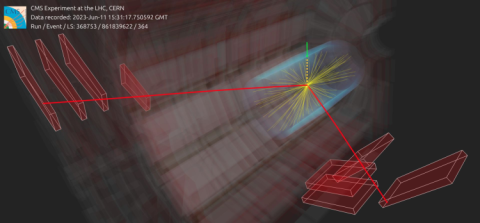
CMS pushes the sensitivity frontier towards a measurement of the rare Higgs boson decay into a Z boson and a photon
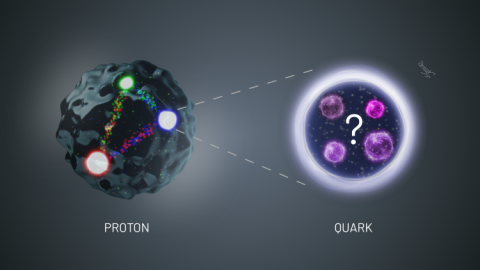
CMS probes the inside of quarks down to distances of 10–20 m – smaller than ever before – searching for potential more fundamental building blocks within them.
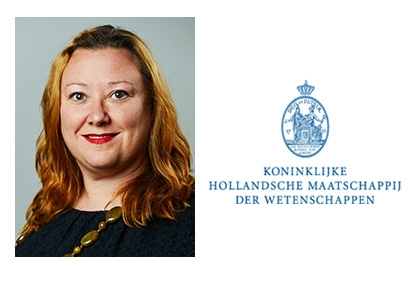
Freya Blekman elected to Royal Holland Society of Sciences and Humanities
DESY lead scientist, CMS communications leader, and University of Hamburg professor invited into prestigious Dutch national academy based on her research and science communication work.
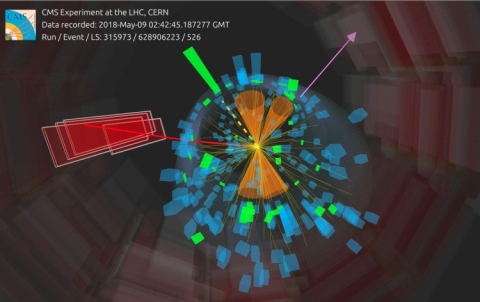
The CMS Collaboration has completed the most precise measurement to date of top-quark production in association with a photon
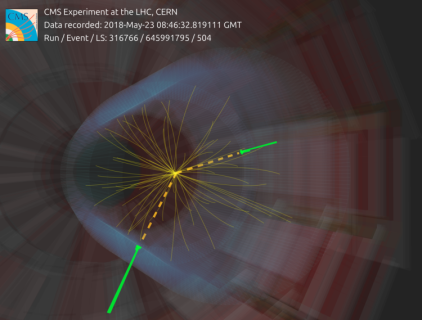
The CMS experiment reports a new measurement of the Higgs boson mass in the decay into two photons, improving the precision of this result over earlier measurements by refining detector calibration and new analysis techniques.